
Introduction
In recent years, Ha Giang has become one of Vietnam’s most renowned tourist destinations. In Ha Giang, there is a highly famous palace complex, the Hmong King Palace, one of the most popular spots for check-ins. Today, Ha Giang Private Car will share some essential information about the Hmong King Palace that tourists need to know.
The Vuong Family Mansion (also known as Meo King Palace) is a unique ancient architectural structure in Ha Giang, closely associated with the history and culture of the Dong Van Karst Plateau region. It is a prominent destination, possessing both artistic value and rich historical stories.
The Story of the Vuong Family Palace
The Meo King, or Hmong King, is a spiritual leader or “lord” of the Hmong people in some areas of Vietnam, Laos, and China. Before the August Revolution, this was an autonomous community whose economy was primarily based on opium cultivation, processing, and trading.
Before the August Revolution, Vuong Chinh Duc was the king of the Hmong people, ruling a powerful dynasty that controlled the entire northernmost region of present-day Vietnam, with a population of up to 70,000. Vuong Chi Sinh, his second son and successor before 1945, faced considerable pressure from various factions but did not side with the French or Chiang Kai-shek. His choice was to establish Dong Van as an autonomous kingdom for the Hmong people.
After 1945, President Ho Chi Minh invited Vuong Chinh Duc to a meeting, but due to his advanced age, Vuong Chi Sinh went in his place. Later, Vuong Chi Sinh became a representative in the first and second National Assemblies of Vietnam. He also held the position of chairman of Dong Van district. The role of the Hmong king gradually weakened due to national reconciliation and the building of a unified state.
Hmong King Palace – Vuong Family Palace Overview Information
History of the Hmong King Palace
The Vuong Family Palace, also known as the Meo King Palace, was built in the late 19th and early 20th centuries. Meo King Vuong Chinh Duc, a powerful leader in the Dong Van Karst Plateau region of Ha Giang, initiated the project. Construction began in 1898 and was completed in 1907, spanning nine years.
Before construction began, Vuong Chinh Duc traveled to China to invite a feng shui master to select the land. Ultimately, the chosen location was Sa Phin village, where there was a mound shaped like a turtle’s shell – a symbol of stability and prosperity. The entire project cost approximately 150,000 Indochinese silver coins, equivalent to about 150 billion Vietnamese dong today.
Vuong Family Palace Architecture
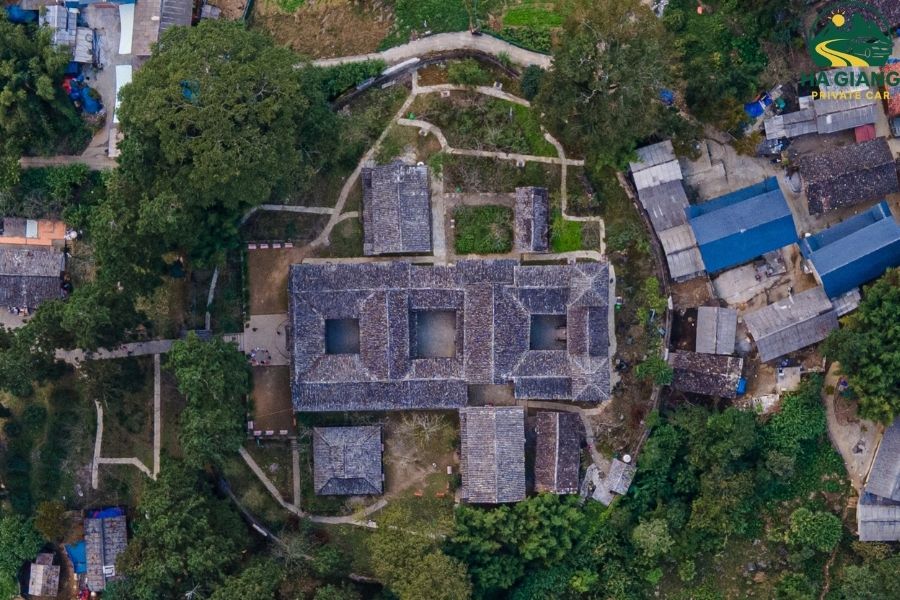
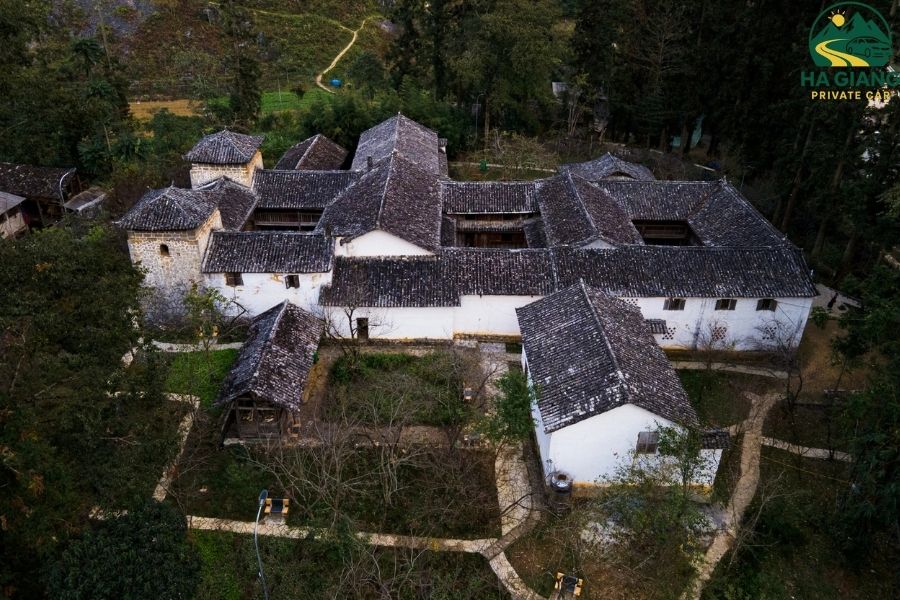
Architecturally, the mansion reflects a blend of three cultures: Chinese, French, and Hmong. The complex spans nearly 3,000 square meters and comprises a front section palace, a central palace, and a rear palace. With 64 chambers, the walls are built of blue stone, the roof is covered with yin-yang tiles, and many details are intricately carved. This was both the residence and the center of power of the Vuong family.
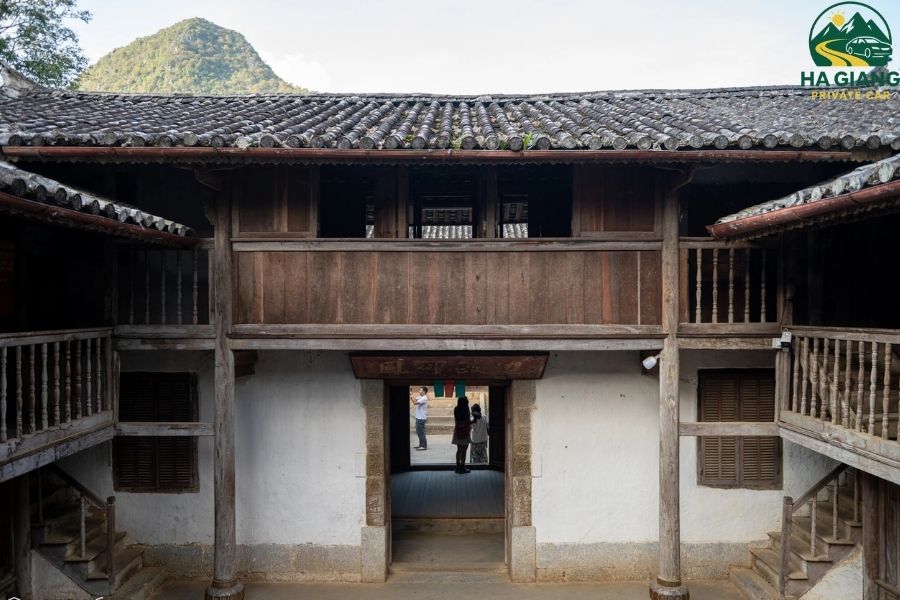
Notably, in 1923, King Khai Dinh bestowed upon Vuong Chinh Duc a horizontal plaque with four Chinese characters, “Bien Chinh Kha Phong,” praising his meritorious service in governing the border region. This plaque still hangs in the main hall of the mansion, serving as a testament to the Vuong family’s historical standing.
In 1993, the Vuong family mansion was recognized as a national historical site. However, several incidents related to ownership have since occurred.
Discover the Unique Features of Vuong Family Palace
What’s Special About the Vuong Family Palace?
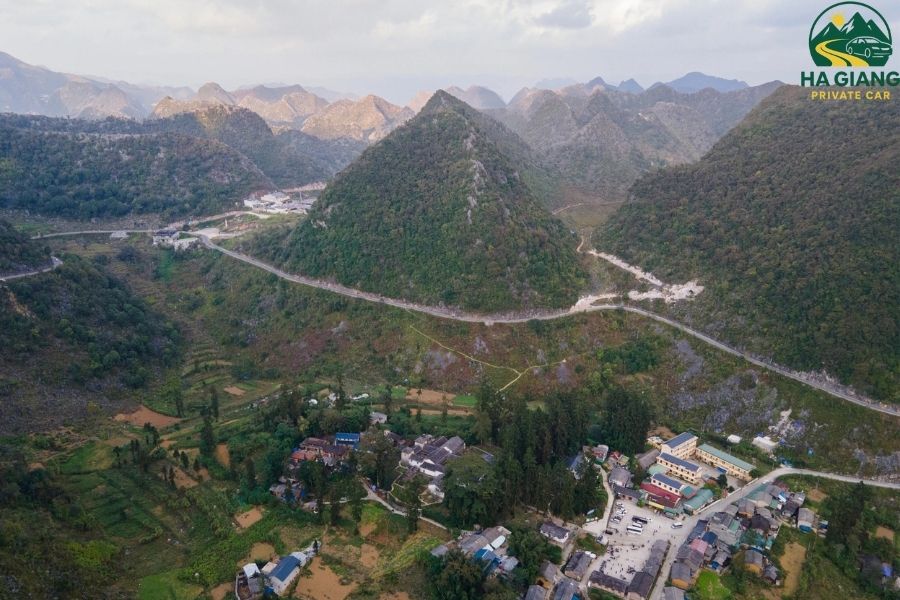
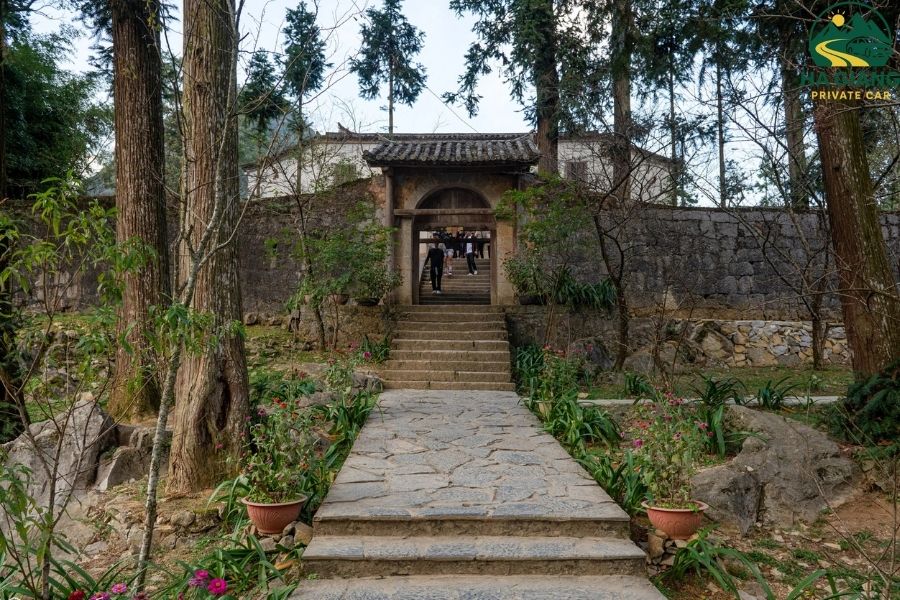
Meo King Palace is situated at the foot of a valley, surrounded by high ground. This unique location provides shelter for the entire structure, nestled among curving mountains that form a “turtle shell” shape. This feng shui design is both stable and advantageous for defense during times of fierce warfare. Having existed for over a century, the palace retains its original antique charm, making it a must-see destination for anyone visiting.
The interior architecture of the mansion is uniquely distinctive, a fusion of three cultures: Hmong, French, and Chinese. The structure consists of four horizontal houses and six vertical houses. The house is divided into three areas: the front palace for the guards and slaves, the central palace, and the quarters palace. It served as both a living and working space. There were a total of 64 small rooms arranged on two floors.
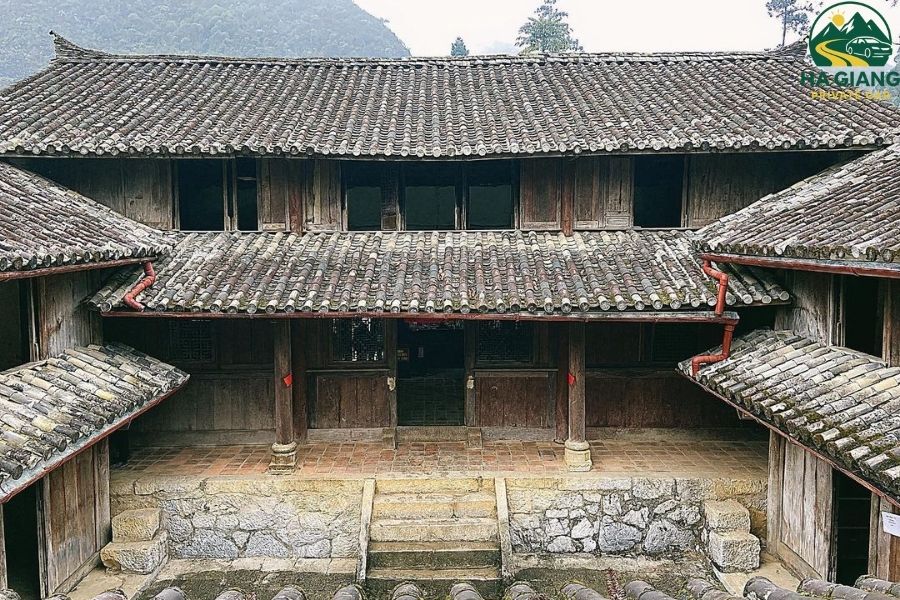
To ensure its sturdiness, the builders used bluestone for the walls, wood for the roofing and pillars, and terracotta for the sturdy roof tiles. As a result, the mansion is both majestic and durable, withstanding the test of time and historical changes.
Remarkably, despite combining three distinct architectural styles, the Vuong family mansion exudes harmony and fluidity, presenting itself as a unified whole rather than a rigid structure. Although built on a vast 3,000 m² plot of land, the building doesn’t appear imposing, but relatively simple, rustic, and evocative of folk culture. The design adheres to the principle of “lower inside, higher outside,” enabling the overall structure to blend seamlessly with the surrounding natural landscape, thereby creating a beauty that is both ancient and approachable.
From the very beginning of its construction, Vuong Chinh Duc calculated that this would serve as both a residence and a fortified stronghold capable of defense, combat, and withstanding the harsh natural conditions of this high mountainous region. Inside, there were also food stores, opium depots, and weapons depots prepared for any worst-case scenario should a battle occur.
Interior of the Hmong King Palace
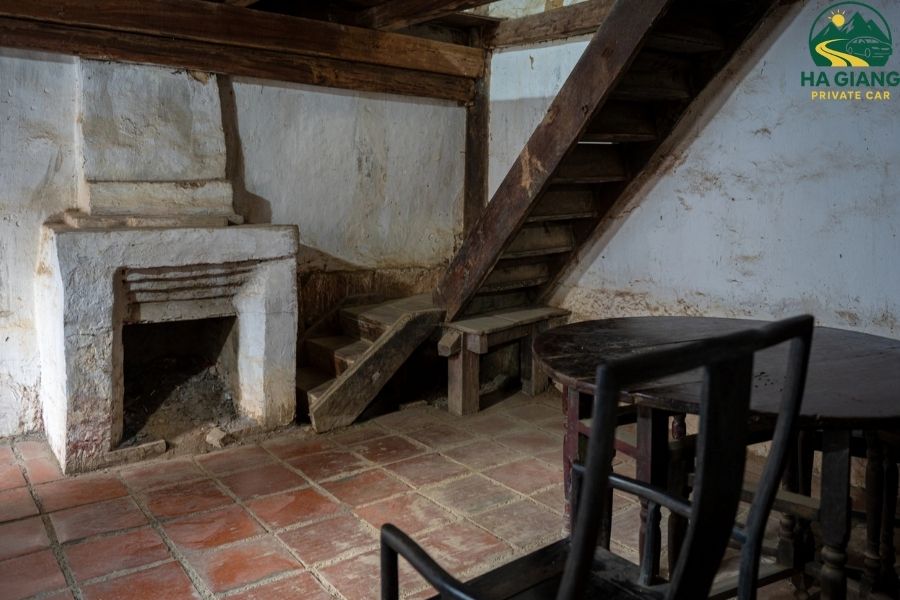
Overall, caretakers have carefully preserved most of the interior furnishings and items connected to the Hmong King’s life. However, the State later replaced some chairs and wooden objects originally crafted from pine with those made from ironwood and teak. This replacement ensured greater durability and prevented gradual deterioration over time.
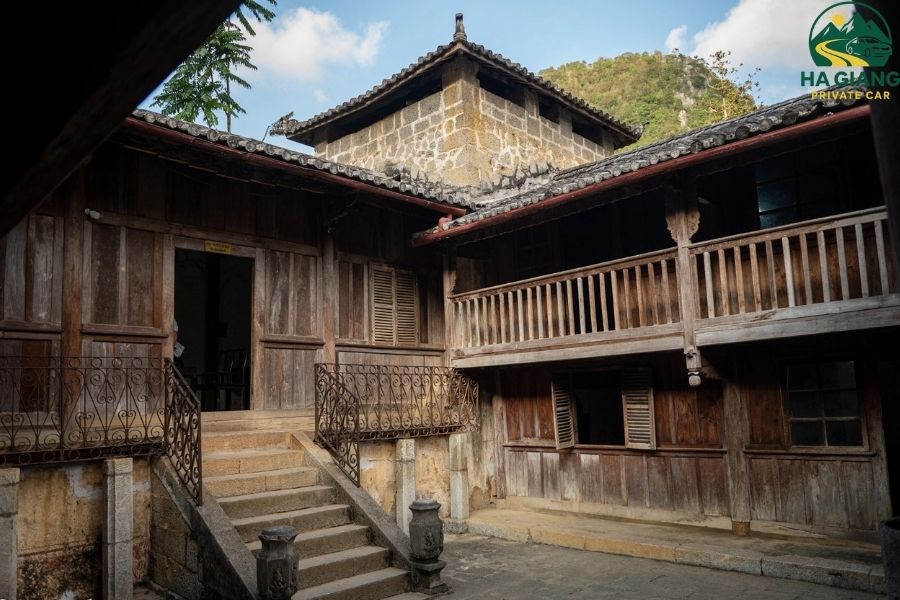
Additionally, the wooden details throughout the mansion effectively reflect the local cultural identity. Craftsmen intricately carved the wood with patterns inspired by familiar flowers, such as peach blossoms and poppies. Moreover, they shaped the pillars to resemble opium poppies – the very plant the Hmong King once traded to fund this residence.
Furthermore, Western influences are also evident in several distinctive features of the mansion. For instance, it includes a stone bathtub designed for goat’s milk, louvered windows positioned beside the fireplace, and a granite entrance framed with wrought iron. Together, these elements clearly highlight architectural styles influenced by both Australia and France.
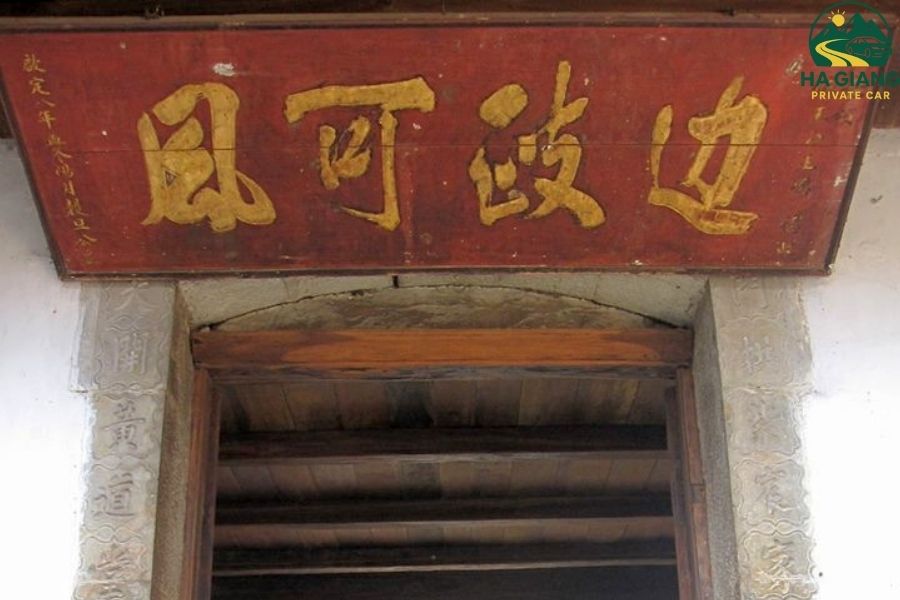
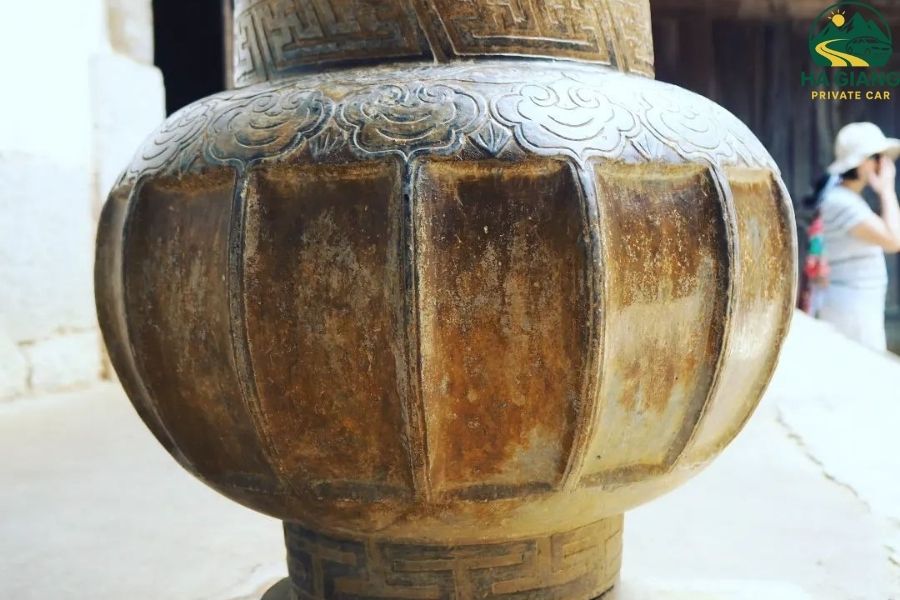
Outside the main hall, Vuong Chinh Duc hung a horizontal plaque with Chinese characters bestowed by Emperor Khai Dinh. Craftsmen covered the eaves with tubular tiles inscribed with the Chinese character “Longevity.” They designed the bases of the house’s pillars as stone spheres resembling poppy pods. They decorated these bases with intricate patterns of tigers, dragons, and phoenixes. Within the mansion grounds, a large reservoir for rainwater was also located, with a capacity of approximately 300 cubic meters.
Legend of the Hmong King’s Palace
Legendary Tales of Building Meo King Palace
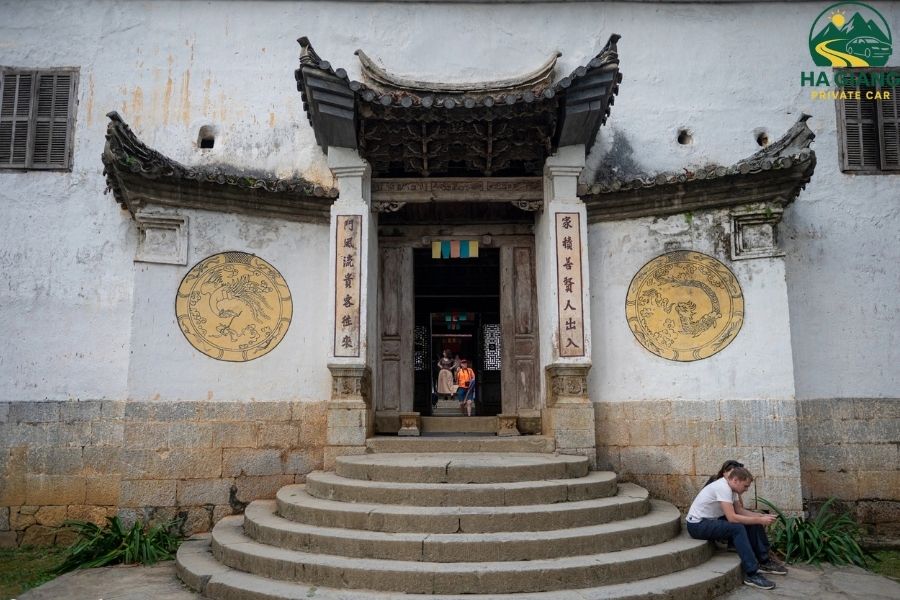
Alongside the existence of the Hmong King Palace, there are many mysterious stories surrounding this house. These legends are still passed down to this day and have become an integral part of the mansion.
Legend says the Hmong King Vuong Duc Chinh first lived at the foot of a tall mountain. His residence was also located deep inside a vast gorge. Subordinates believed the location did not follow proper feng shui principles. The King decided to seek a master of astronomy and geography. He wanted a new dwelling with auspicious topography and strong feng shui.
The King sent emissaries to China to invite Zhang Zhao. Zhang Zhao was a famous feng shui master of that era. He carefully studied the terrain and geography of Ha Giang. Finally, Zhang Zhao selected Sa Phin as the construction site. The valley’s shape resembled a turtle carrying the palace on its back. Building there promised wealth, prosperity, and the gathering of heroes.
Vuong Chi Sinh Cursed
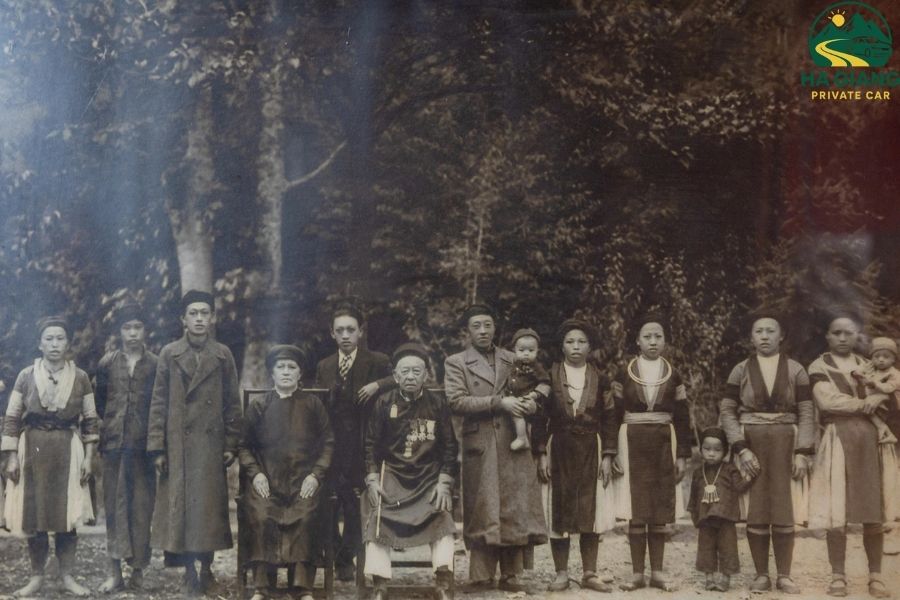
Another mysterious legend surrounding the Hmong King Palace is about Vuong Chi Sinh. During King Vuong Chi Sinh’s reign, he suffered from chronic back pain. Despite trying many remedies, none of them worked. Eventually, a Han Chinese feng shui master was consulted for help. Surprisingly, the master claimed the King’s father’s tomb violated feng shui principles. He explained the tomb was buried on the back of a dragon. According to tradition, this placement broke a sacred taboo. As a result, the family was cursed with the inability to have an heir.
He believed the feng shui master and decided to relocate his father’s tomb to a different location. However, he did not expect to be deceived by the Han people, who fabricated stories to harm his family. Because he violated a taboo, his first wife was unable to bear children. It was only when he married his fourth wife that he had a son, whom he named Wang Weishou.
Conclusion
The Hmong King Palace (Meo King Palace) is one of the famous destinations in Ha Giang. Despite 120 years of change, the King’s Palace has preserved its ancient structure and historical significance. Through harsh climate and natural conditions, the site has remained remarkably intact. Moreover, its cultural value continues to inspire admiration and respect.
If you ever visit Ha Giang, don’t miss the chance to explore this remarkable palace. There, you can immerse yourself in the atmosphere of a bygone era. In addition, you’ll recall the heroic legacy of the Meo King. His efforts in resisting foreign invaders are remembered with pride and reverence.
Ha Giang Private Car hopes that all the information about the Hmong King Palace in this article will be useful in your trip. We wish you have a wonderful trip in Ha Giang and Vietnam.