
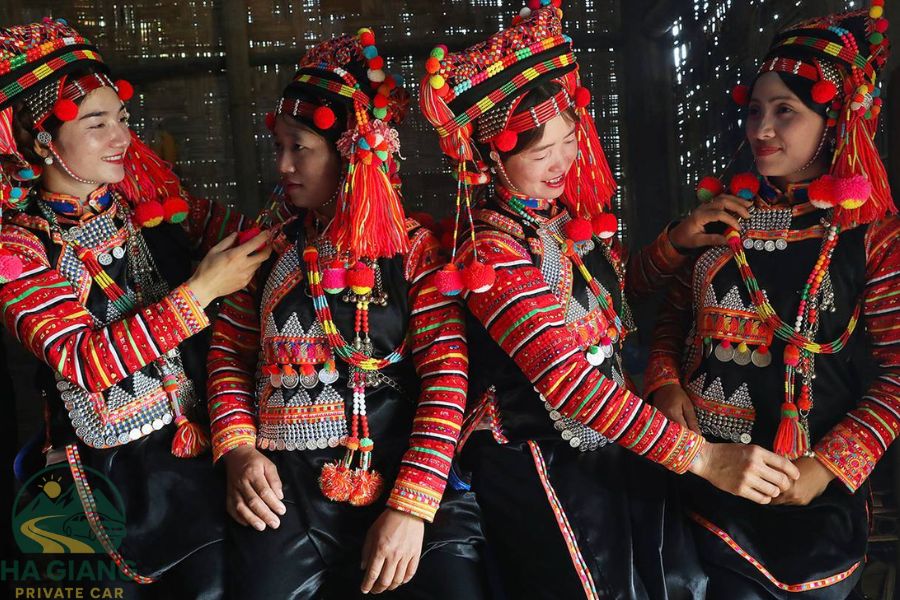
Introduction To Ha Giang’s Ethnic Diversity
We invite you to explore the captivating world of ethnic minorities in Ha Giang, where over 22 distinct groups shape the soul of this rugged northern Vietnam province. Unlike the more touristy spots, Ha Giang offers raw, immersive encounters with communities that form over 90% of the population. Peacefully, their traditions thrive amid karst peaks.
Key statistics reveal H’Mong is dominant at 52%, followed by Tày and Dao at 14% each. These ethnic minorities in Ha Giang create a living tapestry in the UNESCO Dong Van Karst Plateau. The blend between ancient ways and enchanting geology promises to give tourists authentic Ha Giang ethnic groups experiences.
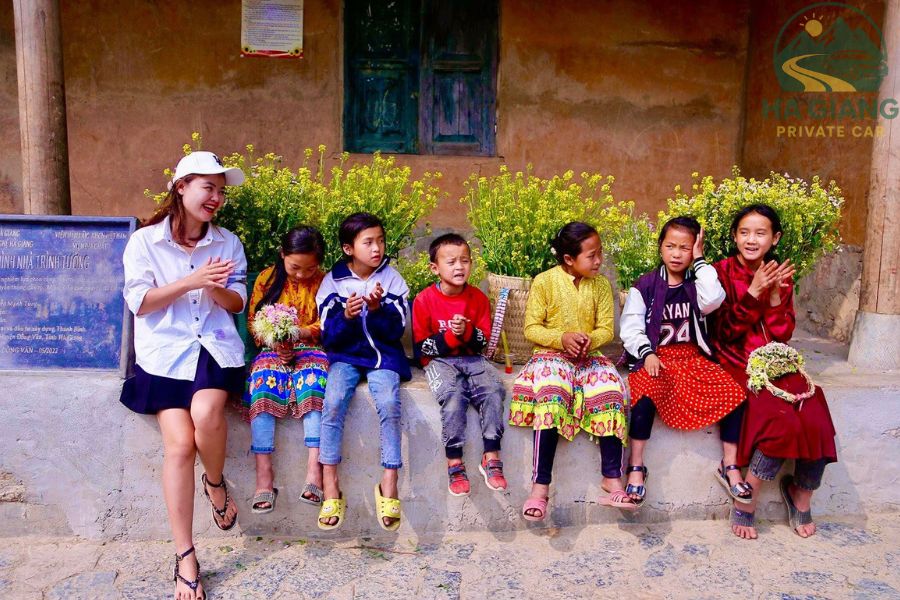
Discover Major Ethnic Groups: H’Mong, Tay, Dao, Nung
H’Mong Subgroups And Livelihoods
The ethnic minority group of H’Mong is divided into different subgroups:
- White H’Mong stands out with their plain white skirts and subtle embroidery.
- Flower H’Mong dazzles in floral-patterned indigo batik.
- Black H’Mong layers deep ebony fabrics with silver accents.
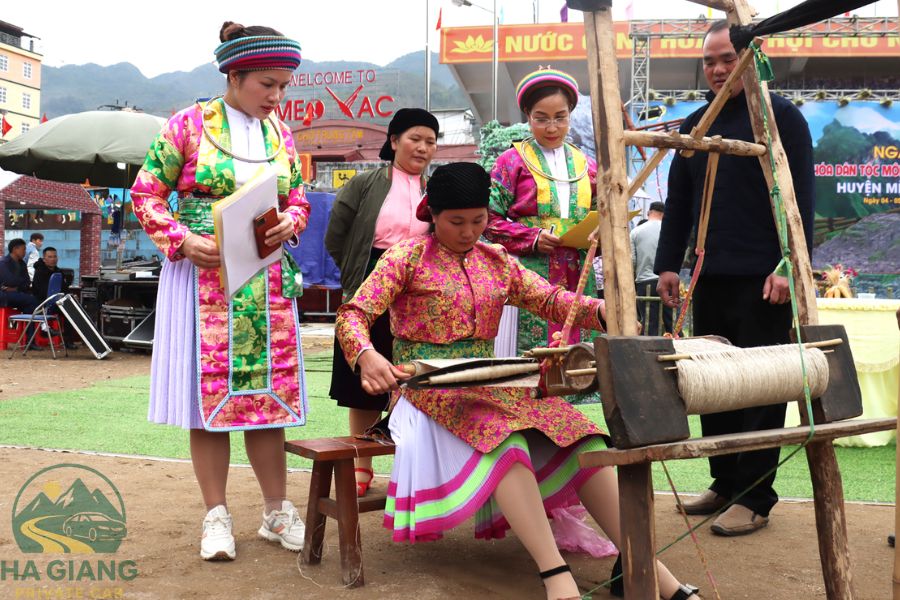
Each subgroup’s attire and dialects are adapting to Ha Giang’s misty highlands from Dong Van to Meo Vac. They sustain livelihoods through slash-and-burn farming, rotating corn and buckwheat on steep slopes to preserve soil. Moreover, the women master intricate embroidery, while the men forge silver jewelry like ornate necklaces sold at bustling markets.
Tourists can watch H’Mong families harvest under vast skies near the iconic Ma Pi Leng Pass. Their crafts echo generations of resilience against harsh weather.
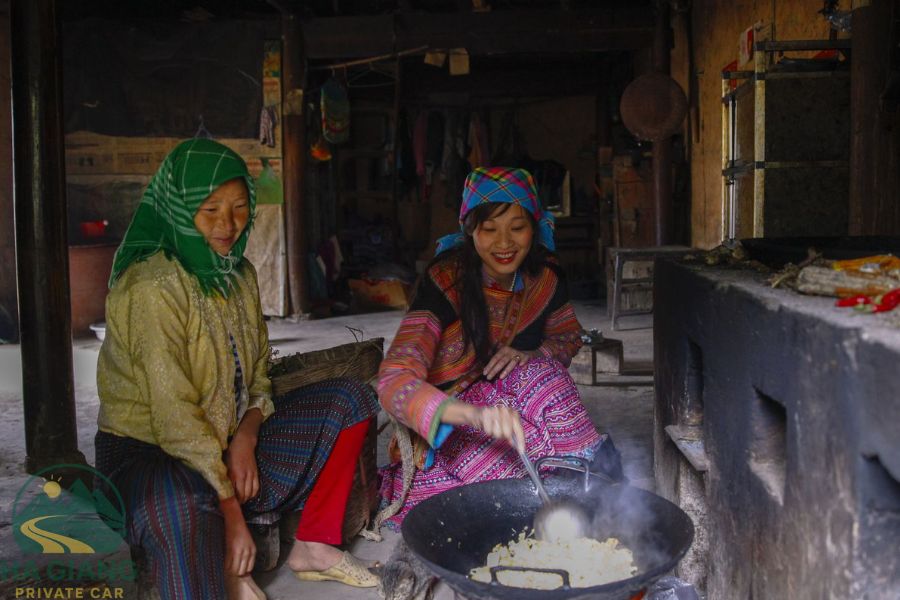
To meet them, head to Dong Van Market on Sundays, where H’Mong vendors from nearby Lung Cu village trade hemp fabrics and then-cooked wine. Stay overnight in Pai Lung village homestays and join corn-roasting evenings to interact more with them.
Or, trek the flower fields in spring around Pho Bang for authentic interactions amid terraced blooms. You’ll gain insights into their nomadic roots by visiting the H’Mong King’s Palace in Thai An commune. It’s a stone fortress symbolizing leadership.
Respect their space during fieldwork, offering small gifts like salt in return for stories. These encounters reveal the heartbeat of ethnic minorities in Ha Giang.
Tay Agricultural Traditions
Tay people thrive in lush valleys like those around Quan Ba and Yen Minh. They cultivate wet-rice paddies irrigated by cascading streams. The Tay families reside in spacious stilt houses built from timber and thatch to resist floods and house livestock below.
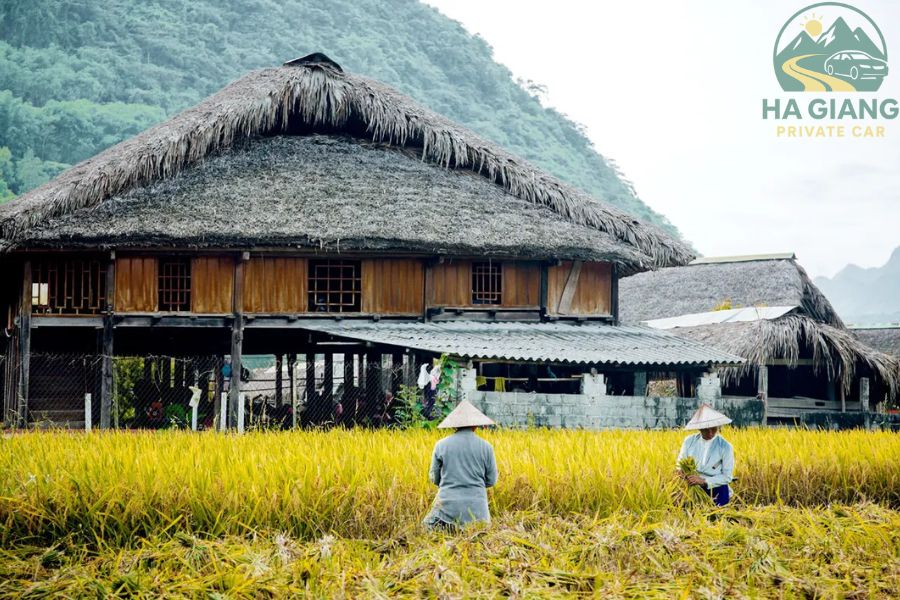
As expert weavers, they dye cotton yarns with natural indigo for vibrant textiles featuring zigzag patterns. These hand-made products are often showcased during the lively Long Tong harvest festival. This festive event features rhythmic drum beats, con sa bamboo flutes, and communal feasts of glutinous rice. You’ll savor their legendary hospitality over steaming bamboo-tube rice infused with herbs, shared around crackling fires.
Encounter Tay communities at Thong Luong Cave near Quan Ba, where trails lead to riverside villages for rice-planting demos. Otherwise, explore Yen Minh’s weekly market, bursting with their handwoven blankets.
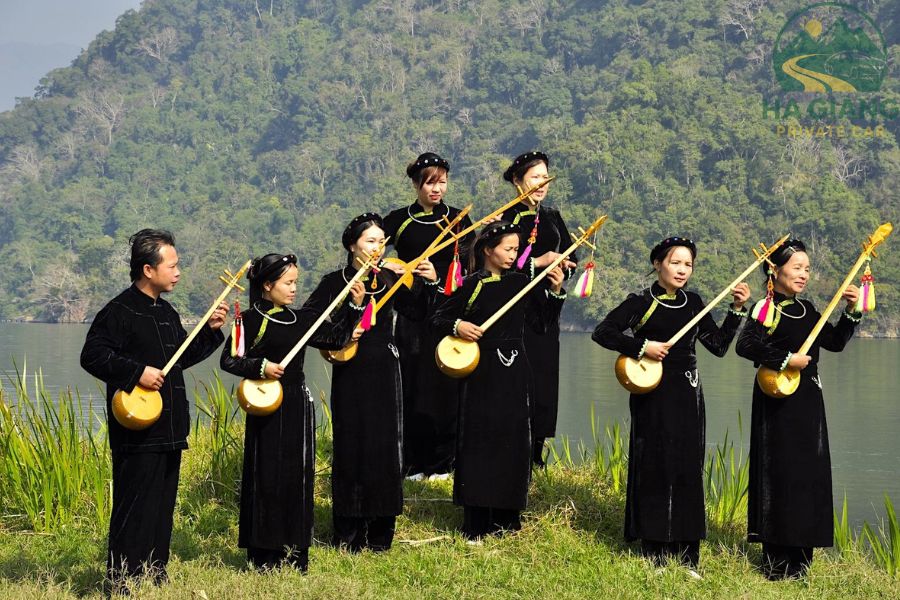
To immerse in Tay people’s cultures, book a homestay in Ban Vac to participate in weaving workshops and join Long Tong celebrations in April, dancing under lanterns. For deeper immersion, visit the Tay Museum in Ha Giang city outskirts, highlighting their tools and lore.
Approach with curiosity and respect. Then their warmth turns visitors into family amid Ha Giang ethnic groups’ enduring traditions.
Dao Variants And Rituals
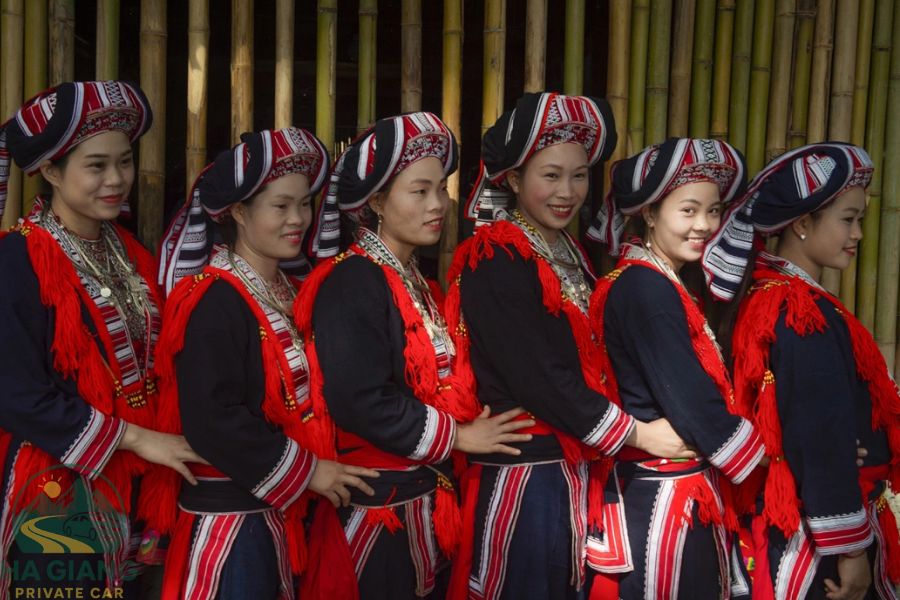
Red Dao flash scarlet turbans wrapped with embroidery and flowing robes adorned with coins. On the contrary, White Dao’s simpler white hemp outfits have minimal red accents. Both subgroups dot remote slopes from Lung Cu to Xin Man.
Shamanic practices permeate daily life, with elders consulting spirits via gongs for healing. They will culminate in the sacred Cap Sac rite, a multi-day coming-of-age ceremony. This unique ceremony involves herbal baths from 12 forest plants, incantations, and animal sacrifices to bless youths entering adulthood. Ethnic minority in Ha Giang spirituality runs deep, binding them to ancestors and land.
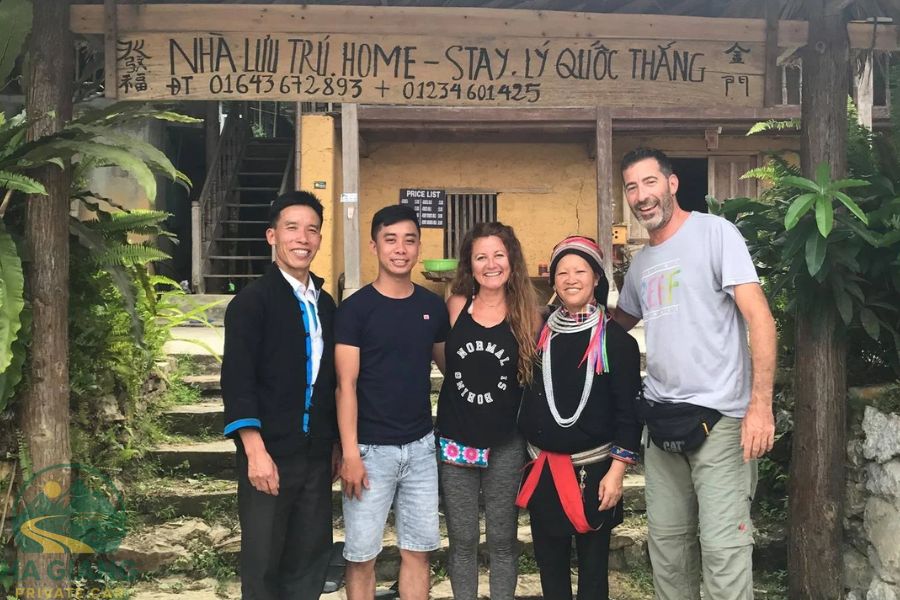
Tourists can connect at Thuong Van Village near Dong Van for Cap Sac glimpses during the lunar cycles. Please note that you must ask locals politely to see this. Plus, you can trek to Dao homestays in Lung Tao. Here, don’t forget to sample shaman-blessed rice wine.
What’s more, visit the Dao fabric market in Pho Bang for ritual cloth purchases. We also recommend exploring Tan Quang commune’s herbal gardens.
If you want a more special experience, time your trip for the Dao New Year in December at Nam Dan. Come to witness chants and dances. We advise modest dress and prior permission, as these rituals offer profound windows into their mystical world.
Nung Irrigation Expertise
Nung communities showcase ingenuity with bamboo channels. These constructions feature the hollowed poles of aqueducts snaking down terraced landscapes. They normally appear in Bac Me and Bac Quang districts. Their function is to efficiently channel mountain water to nourish rice and mulberry fields without modern pumps.
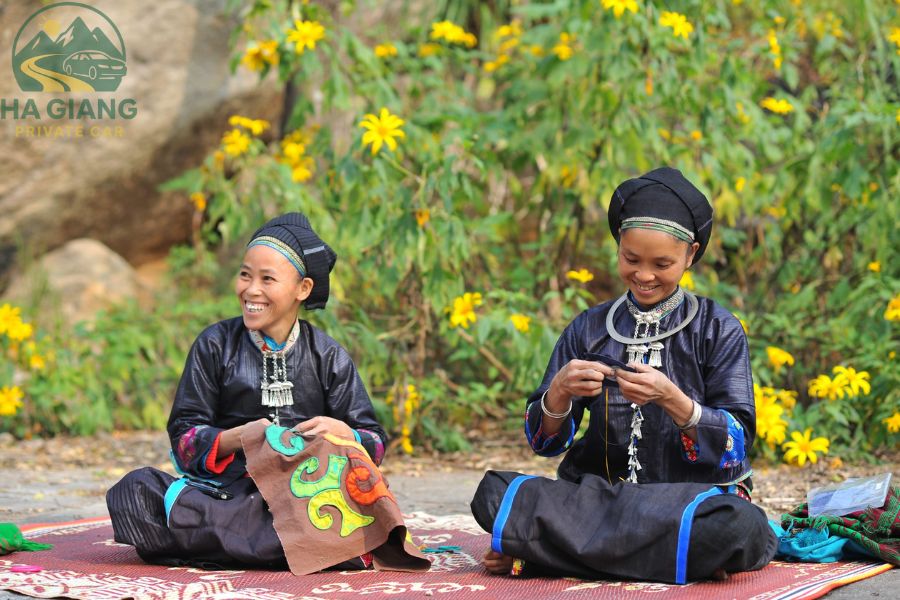
Besides such expertise, the Nung people are also famous for their brocades. These products boast protective geometric motifs like diamonds and stars, woven on backstrap looms. They’re usually paired with marriage rituals featuring multi-day feasts, bride-price negotiations in silver and buffalo, and vibrant processions sealing alliances. These customs keep communities tightly knit, passing knowledge through songs and elders.
Tourists can meet the Nung at Bac Me’s weekly market. Try bargaining for brocade scarves if you can. Or, you can stay in Phuong Tien Village homestays to observe irrigation repairs and join wedding dances if timed right.
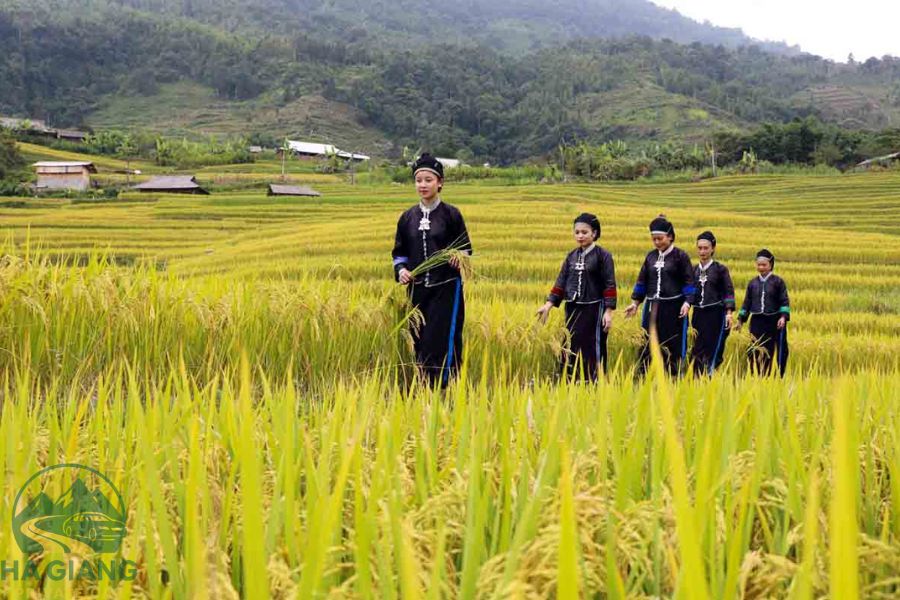
We also suggest hiking to Nung waterfalls near Vinh Tuy for picnic insights into their fishing lore. Aside, why not explore the Nung cultural house in Yen Phu commune? There display many looms. One tip is that spring visits align with transplanting seasons, perfect for hands-on demos. Embrace their straightforward hospitality with shared meals.
All in all, the Nung’s expertise highlights sustainable living among the Ha Giang ethnic groups.
Smaller Ethnic Groups: Giay, Lo Lo, Pa Then, & Pu Peo
Giay And Lo Lo Daily Life
Giay communities along Ha Giang’s rivers excel in weaving rattan into durable baskets, hats, and furniture. These sustain village economies through trade at local markets and support daily chores like fishing and storage.
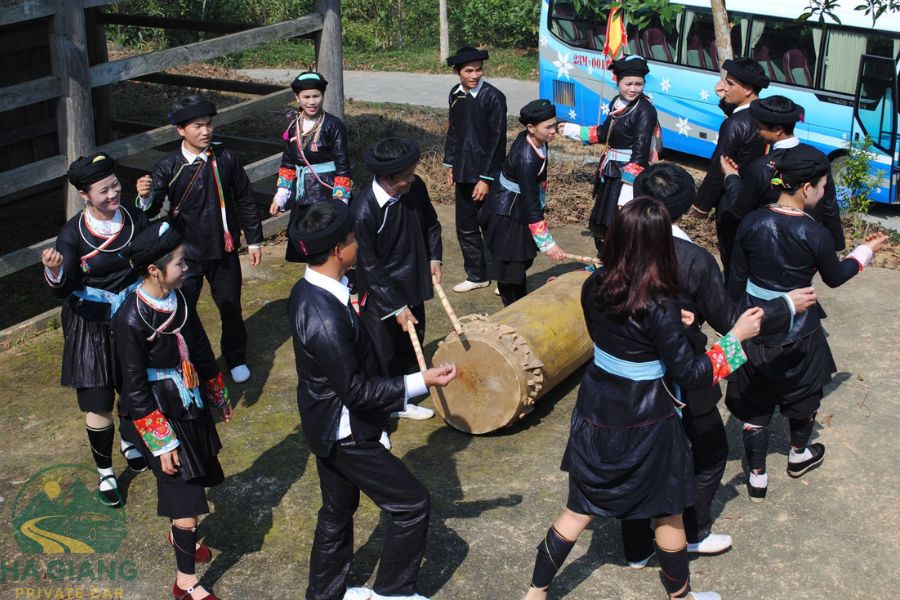
Meanwhile, one special practice of the Lo Lo is their funerals. They stand out with burning vibrant paper effigies: horses, houses, and money. These are believed to guide the deceased’s soul safely to the afterlife, blending animist beliefs with communal mourning rituals.
Their routines, from dawn foraging to evening storytelling, add intimate layers to the region’s cultural mosaic. This showcases resilience in remote hamlets.
Meet Giay at the riverside villages near Nghieng Village in Quan Ba District. Here, you can watch weaving demos and buy crafts directly.
For Lo Lo, you should hire to Thai Village near Dong Van. Time your visits to see the funerals (please do this with sensitivity) or daily life observations. Homestays here offer shared meals, revealing ethnic minorities in Ha Giang through genuine exchanges. Please approach quietly to honor their privacy.
Pa Then Fire-Jumping Ceremony
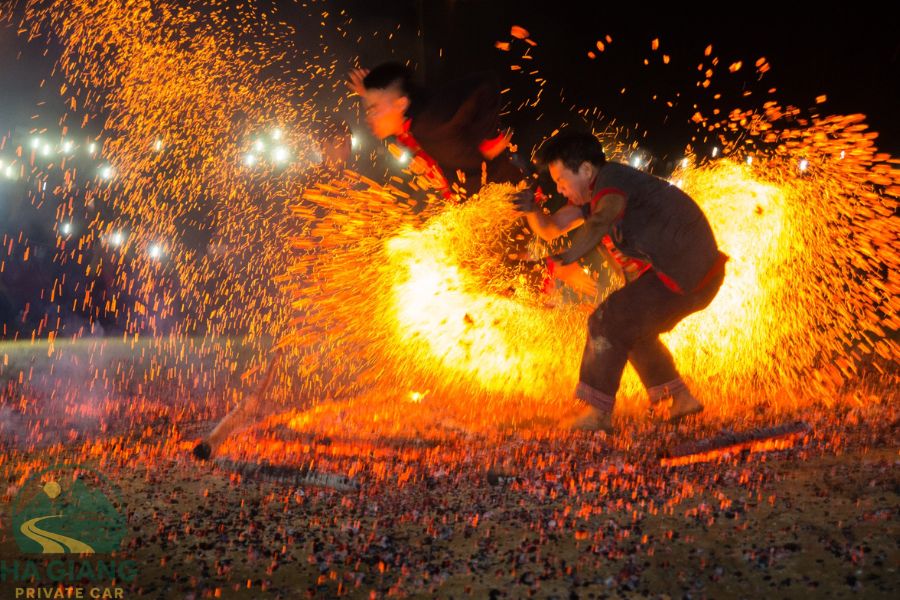
Another special ethnic minority group in Ha Giang is Pa Then. They’re known for the fire-jumping ceremony. During the annual Gau Tao festival, Pa Then men vault over sacred flames in a thrilling purification rite. They will leap repeatedly to prove strength and cleanse evil spirits.
This spiritual act banishes misfortune, ensures community health, and blesses crops for bountiful harvests. It unites villagers in fervent chants, gongs, and dances under the stars. The raw energy ignites a sense of ancient power you’ll carry home, connecting you to their shamanic worldview.
Experience it at Pa Then villages in Pho Bang Commune, Quan Ba District, especially during the lunar third month festival. So arrange guided treks for safe viewing. Nearby homestays in Thai An also let you join pre-ritual feasts. But please respect boundaries by not interfering.
Pu Peo, La Chi, Phu La Profiles
Pu Peo, La Chi, and Phu La each number under 1,000 individuals. They dwell in isolated peaks with populations clinging to traditions amid modernization pressures.
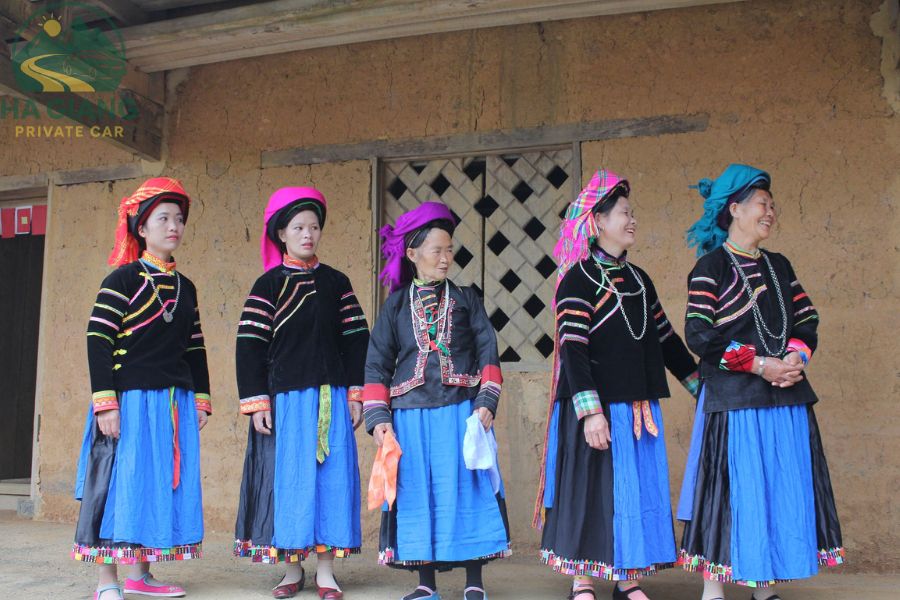
Pu Peo hunts with traditional crossbows for small game. Meanwhile, La Chi masters forest herbs for remedies like pain balms. And Phu La preserves nomadic echoes through migratory herding and simple bamboo homes.
Meeting them unveils the Ha Giang ethnic groups’ rarest threads, offering glimpses of endangered lifestyles. You can seek Pu Peo people in highland hamlets near Meo Vac’s border trails. The La Chi people usually appear around Xin Man’s forests for herbal walks. You can also meet Phu La in Du Gia’s slopes via community tours.
However, limited homestays exist around these locations. So book through locals for respectful day visits. Bring offerings like tea. Please note that these encounters demand patience and humility.
Cultural Practices And Traditions
Ha Giang’s ethnic minorities weave their identities through vibrant cultural practices and time-honored traditions that pulse with color, sound, and spirituality. From intricate attire symbolizing heritage to explosive festivals uniting communities, these customs offer travelers profound insights into daily rhythms and sacred rites.
Discover these living arts to embrace the soul of the Ha Giang ethnic groups:
Traditional Attire And Crafts
Hemp and indigo are the main materials used in traditional clothing and textiles, forming the base fabric for many garments:
- H’Mong artisans apply wax-resist batik on this indigo cloth. This creates detailed patterns that often depict animals and symbolic geometric motifs tied to their beliefs and environment.
- Tay weavers typically work with cotton. They produce softer, practical fabrics suited to valley life and everyday wear.
- Dao craftswomen are known for using special dyeing techniques, including egg-based mixtures. Through that, they achieve rich colors and fine embroidered details.
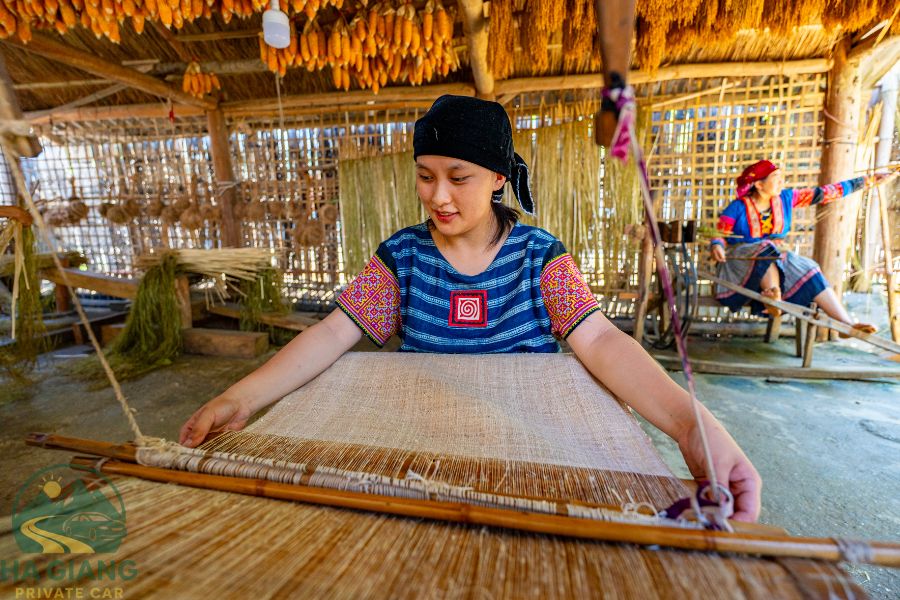
Each group’s motifs and techniques serve as visual markers of heritage, identity, and social status, making every piece culturally meaningful. Buying these textiles and garments directly from local makers helps sustain traditional crafts and provides fair income to the communities that preserve them.
Festivals And Markets Calendar
- Khau Vai Love Market: Held on select weekends (often Saturdays), this romantic gathering in Meo Vac district sparks connections among young H’Mong singles through singing, dancing, and matchmaking traditions. Far more than commerce, it’s a cultural courtship event.
- Long Tong Buffalo Races: During Lunar New Year (Tết), villages in Quan Ba host thrilling buffalo fights and races. It celebrates strength and harvest blessings with feasts and gongs amid Tay and H’Mong communities.
- Dong Van Sunday Market: Every Sunday, this bustling hub overflows with thang co rice wine, fresh herbs, meats, and handmade goods from ethnic minority artisans in Ha Giang. Thus, this marketplace draws diverse groups for trade and socializing.
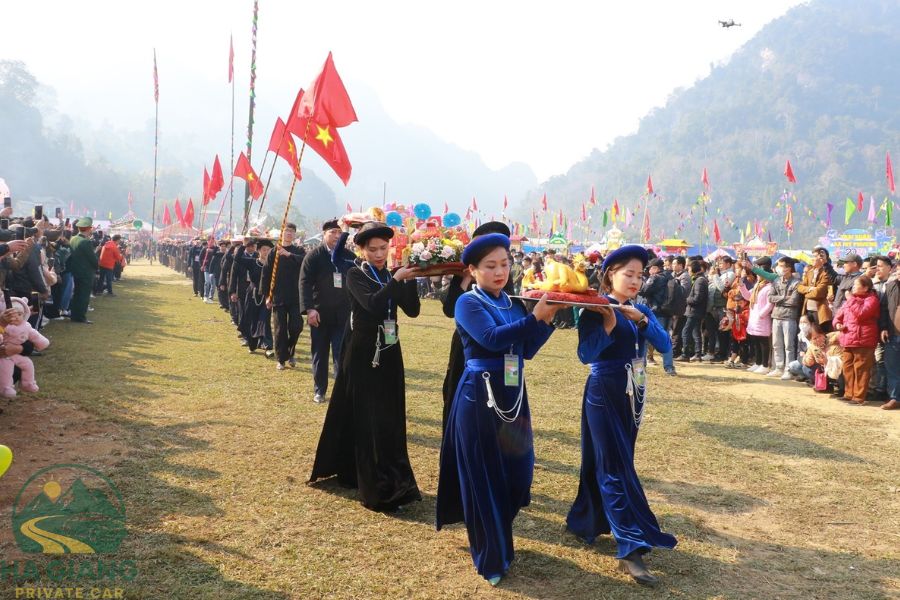
Plan your trip around these dates to sync with the vibrant pulses of Ha Giang ethnic groups, experiencing authentic joy and community spirit firsthand.
Modern Challenges And Ha Giang Ethnic Minority Preservation
Tourism injects vital income into Ha Giang’s communities but poses risks of eroding traditions. Overt commercialization, like mass-produced souvenirs, dilutes authentic crafts.
Also, locals have to adapt to climate shifts. Recent years have seen erratic rains and droughts harming corn and rice crops. They must implement resilient farming techniques and diversified livelihoods.
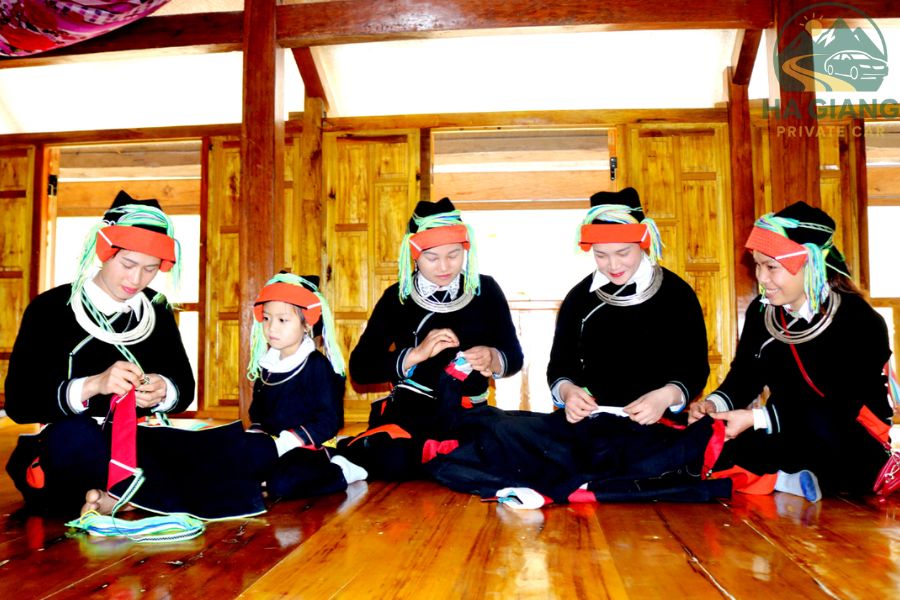
UNESCO supports sustainable geopark projects in Dong Van Karst, promoting eco-tourism that protects landscapes and heritage sites. Furthermore, there have been local initiatives, such as community-led eco-homestays and cultural workshops.
They help foster pride, empower youth to learn ancestral skills, and ensure traditions endure for future generations. Also, these efforts balance growth with preservation, inviting you to visit responsibly.
Traveler’s Guide To Respectful Engagement
🏠 Stay in local homestays: Choose homestays for shared meals and tales with H’Mong or Tay hosts to immerse yourself in authentic village life and support family incomes.
📷 Always ask before photographing: Seek permission before taking photos, especially of elders, children, or ceremonies, and accept “no” gracefully.
👋 Use respectful greetings: Greet locals with simple phrases like “chào bạn” (hello friend) or the H’Mong “hais cu” (thanks) to show respect and effort.
💡 Support local artisans directly: Buy handicrafts, textiles, and food directly from artisans and market vendors. This action helps bolster local economies and keep traditional skills alive.
👕 Dress modestly and appropriately: Dress modestly, covering shoulders and thighs, to honor community norms and religious sensitivities.
🙌 Join activities only when invited: Join activities such as weaving, farming, or cooking only when you are clearly invited, and follow the host’s instructions carefully.
✔️ Avoid gifts that create dependency: Avoid giving candy or money to children to prevent health problems and dependency. Support schools or community projects instead.
🗣️ Learn a few local phrases: Learn a few basic phrases in local dialects or ask your guide to teach you greetings and polite expressions.
✨ Empower women-led initiatives: Prioritize women-led cooperatives and social enterprises when shopping or booking services to help empower local women.
🌿 Hire knowledgeable local guides: Hire local guides who know the language and customs. They can bridge cultural gaps and ensure your presence is welcomed.
✈️ Travel during quieter times: Visit villages and markets outside peak hours when possible to avoid crowding and disruption of daily routines.
👣 Minimize your environmental footprint: Stay on marked paths, keep noise low at night, and pack out your trash so your visit leaves only positive memories among Ha Giang ethnic groups.
Conclusion
Ethnic minorities in Ha Giang invite you into a space of profound resilience. Twenty-two groups preserve ancient rhythms amid soaring karst peaks. From H’Mong embroidery to Pa Then fire leaps, their traditions offer transformative encounters far beyond typical tourism.
We encourage you to travel mindfully. Embrace homestays, honor customs, and support locals directly. Your respectful visit sustains this cultural mosaic, leaving positive ripples for generations. Discover ethnic minorities in Ha Giang today. The highlands await with open hearts and timeless stories.
Ha Giang Private Car wishes you a brilliant experience with the Ha Giang ethnic groups. Thanks for reading.