

Introduction
Planning a journey to northern Vietnam often starts with scenery and routes, but budgeting is just as important. Understanding Ha Giang entrance fees early helps travelers avoid surprises and plan a smoother trip.
So we compiled this blog for independent travelers, families, and loop riders who want clear and reliable information about what they actually need to pay when visiting Ha Giang. Instead of focusing on promotion, this article explains real costs, how tickets work, who needs to pay, and where money is usually spent.
We bring the latest entrance fees, ticket types, exemptions, how to buy tickets, and practical cost tips based on how Ha Giang tourism currently operates. Accurate fees really matter. Ha Giang is not a single attraction with one gate. It is a wide region with villages, geopark zones, historical sites, and natural viewpoints.
Some places are free while others require official tickets or small local charges. Knowing the Ha Giang entrance fee structure helps you plan your budget realistically, especially if you are traveling for several days or with children.
Overview – Does Ha Giang Charge Entrance Fees?
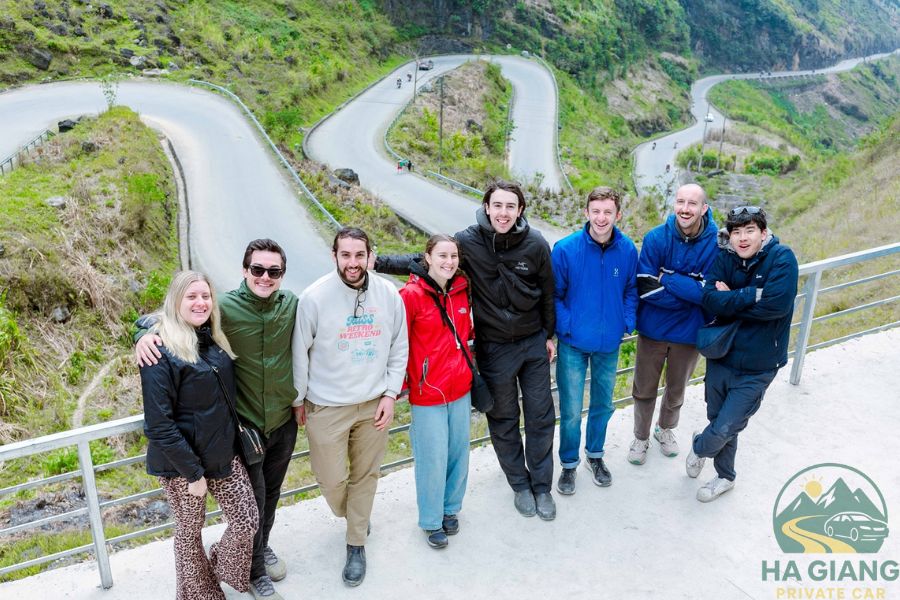
Ha Giang does not charge a single entry fee to enter the province. Many natural viewpoints, mountain passes, and roadside photo stops are completely free. Travelers can ride the Ha Giang Loop without paying at every turn. However, some cultural and historical attractions require tickets, and the Dong Van Karst Plateau Geopark applies a specific fee structure.
The most important system visitors should understand is the geopark fee. Instead of charging per attraction, the geopark applies a fee based on overnight stays within the Dong Van Karst Plateau area. This approach supports conservation, infrastructure maintenance, and local community management rather than limiting access to individual sites.
Because of this system, travelers often feel confused about Ha Giang entry tickets. You may not be stopped at a gate. But the fee is still collected legally through accommodations or local checkpoints. This makes Ha Giang different from many tourist destinations in Vietnam. Understanding this structure helps avoid misunderstandings and ensures you budget correctly for your trip.

Ha Giang Entrance Fees & Tickets To Key Attractions
Let’s look at a fast Ha Giang attraction ticket overview before you break down each location in detail:
| Attraction / Activity | Ticket Type | Exact Price (VND) | Notes |
| Dong Van Karst Plateau Geopark | Adult | 30,000 / night | Charged per overnight stay within the geopark |
| Child | 15,000 / night | Children under 6 usually exempt | |
| Lung Cu Flag Tower | Adult | 25,000 | Access to tower grounds and viewpoint |
| Child | 15,000 | Same access, reduced price | |
| H’Mong King Palace (Vuong Family Mansion) | Standard ticket | 20,000 | Audio guide may cost extra |
| Dong Van Ancient Quarter | Standard ticket | 20,000 | Covers preserved heritage streets |
| Lung Khuy Cave | Adult | 50,000 | Includes lighting and cave maintenance |
| Child under ~1.2 m | Free | Height-based policy | |
| Nho Que River Boat Ride | Shared boat | 100,000 – 150,000 | Price varies by dock and operator |
| Private boat | ~500,000 / trip | Usually for small groups | |
| Viewpoint Parking Fees | Motorbike | 10,000 – 20,000 | Paid to local attendants |
| Car | 30,000 – 50,000 | Depends on location |
Dong Van Karst Plateau Geopark

The Dong Van Karst Plateau Geopark is the most significant paid area in Ha Giang. The official fee structure is VND 30,000 per adult per night and VND 15,000 per child per night. This is not a one-time entrance ticket. It is calculated based on how many nights you stay within the geopark zone.
The fee is usually collected by hotels, homestays, or guesthouses at check-in. In some cases, travelers may encounter checkpoints on main roads where proof of payment is requested. Children under six years old are generally exempt. Seniors, people with disabilities, and local residents may receive exemptions depending on local regulations.
For most travelers, the total Ha Giang entrance ticket cost for the geopark is modest. One night equals VND 30,000 per adult, while two nights equal VND 60,000. This system allows free movement between sites without paying repeatedly and supports long-term preservation of the area.
Lung Cu Flag Tower
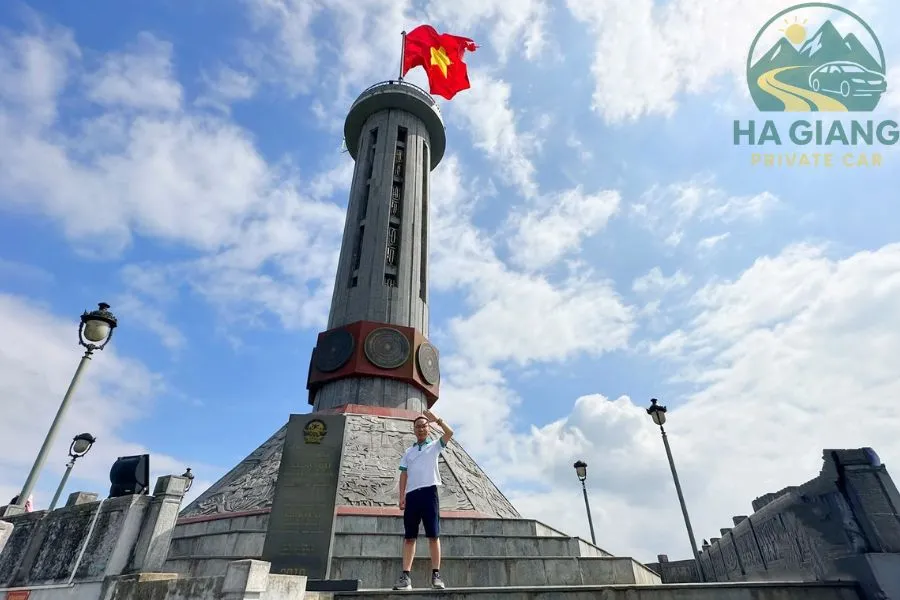
Lung Cu Flag Tower is one of the most symbolic landmarks in Vietnam. It marks the northernmost point of the country and offers panoramic views of the surrounding valleys and villages. This attraction has a separate entrance fee.
The current entrance fee is approximately VND 25,000 per adult and VND 15,000 per child. The ticket includes access to the tower grounds and the viewing platform. Opening hours usually run from early morning until late afternoon, although weather conditions can affect access.
Visitors should note that transportation from the parking area to the tower base may involve additional optional services such as electric carts, which are paid separately. When budgeting, travelers often confuse this cost with the Ha Giang entrance ticket price, so it is helpful to separate official tickets from optional services.
H’Mong King Palace
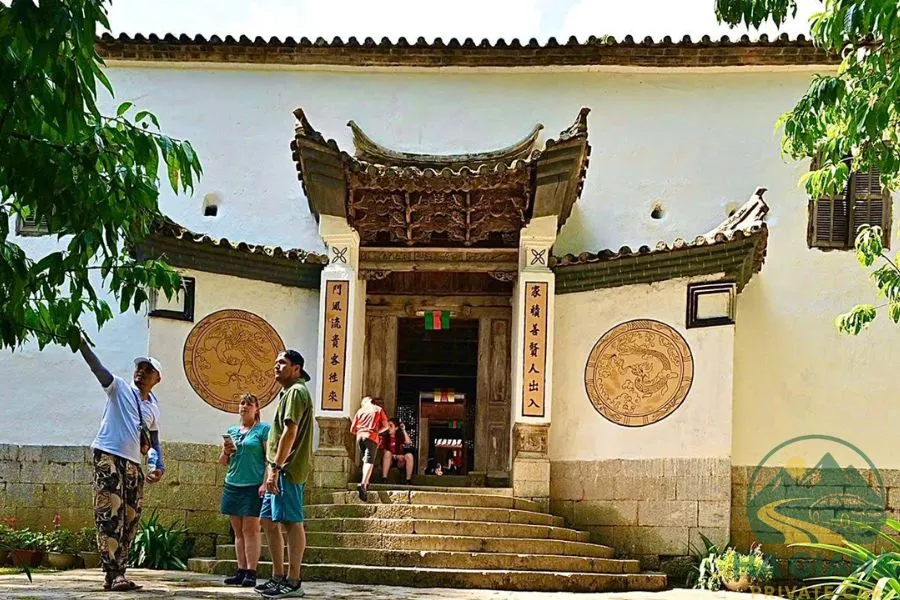
The H’Mong King Palace, also known as Vuong Family Mansion, is a historical residence built in the early twentieth century. It reflects the political and cultural history of the H’Mong people in the region.
The standard entrance fee is around VND 20,000 per person. This ticket allows visitors to explore the palace grounds, inner courtyards, and exhibition rooms. Some sites may offer optional audio guides for an additional fee, depending on availability.
This attraction is well-maintained and clearly ticketed, making it one of the easiest Ha Giang tickets to understand. Payment is made directly at the entrance, and tickets are checked on site.
Dong Van Ancient Quarter

Dong Van Ancient Quarter is a small historic town center known for traditional houses, weekend markets, and cultural events. Unlike modern city centers, access to certain preserved areas requires a ticket.
The entrance fee is typically around VND 20,000 per person. This ticket supports preservation efforts and grants access to designated heritage streets and communal spaces. The fee does not include food, drinks, or market purchases.
Travelers often visit Dong Van in the evening or early morning. If you arrive outside official ticket hours, collection may not occur, but paying during open hours helps support conservation.
Other Minor Fees
In addition to major attractions, travelers may encounter smaller charges during their trip:
Lung Khuy Cave Entrance Fee
- Adults: ~50,000 VND per person
- Children over ~1.2 m: ~50,000 VND per person
- Children under ~1.2 m: Free
Nho Que River Boat Ride Prices
Typical options at Nho Que River:
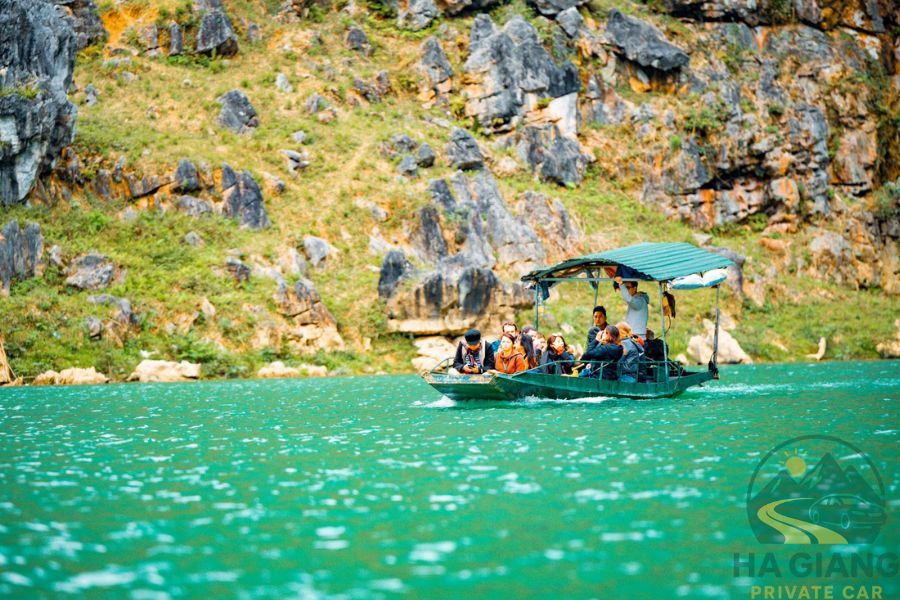
- Shared boat ride: ~100,000 – 150,000 VND per person
- Private boat (1-hour canyon tour): ~500,000 VND per trip (higher for larger groups/longer tours)
Prices vary by dock and operator. Local guides may offer motorbike shuttles or packages separately
Tips
- Some piers charge a small pier access or parking fee (often around ~10,000 – 50,000 VND) depending on the location.
- Kayak rentals also exist and can cost around 200,000 – 300,000 VND for two people, depending on provider.
Also, parking fees are common at popular viewpoints such as Ma Pi Leng Skywalk areas. These fees are usually small and paid directly to local attendants.
Ha Giang Ticket Exemptions & Discounts
Not everyone pays the same price in Ha Giang. Children often receive discounted or free entry depending on age. Children under six are commonly exempt from geopark fees, while older children may pay reduced rates at specific attractions.
There is generally no official distinction between Vietnamese locals and foreign tourists in terms of listed ticket prices. However, local residents may receive exemptions at community-managed sites. Seniors and people with disabilities may also qualify for reduced fees, although policies vary by attraction.
It is important to carry identification if you believe you qualify for exemptions. While the Ha Giang entrance ticket cost is affordable for most travelers, understanding eligibility helps families and older visitors plan more accurately and avoid unnecessary payments.
How To Buy & Use Tickets At Ha Giang Attractions
Most visitors are unsure how tickets are actually handled in Ha Giang. The points below explain what to expect in practice so you can plan your time and payments efficiently.
- Most tickets are purchased on site: Individual attractions usually sell tickets directly at the entrance. Advance online booking is rare unless tickets are bundled with an organized tour.
- On-site payment offers flexibility: Paying at the attraction allows you to decide spontaneously which places to visit. You only pay for locations you actually enter.
- Queues can happen during busy periods: Waiting times are more common on weekends, public holidays, and during peak travel months when visitor numbers increase.
- Tour-based tickets reduce hassle but limit choice: Some tours include entrance tickets, which saves time at gates but removes flexibility if you want to skip or add attractions.
- Peak travel months require better timing: September to November and March to April are the busiest periods. Visiting attractions early in the morning or later in the afternoon helps avoid crowds.
- Cash is still the easiest payment method: Small cash amounts speed up transactions and prevent delays, especially at rural sites with limited payment options.
Ha Giang uses a simple, on-site ticket system that favors flexibility over automation. Knowing when to visit and how to pay helps you move smoothly between attractions without unnecessary waiting or confusion.
Sample Ticket Cost Scenarios
Wonder how much you may spend on entrance fees during Ha Giang visit? These examples show that Ha Giang entrance ticket price remains reasonable even for longer stays. Costs vary depending on the number of nights stayed and the optional experiences.
| Travel Scenario | Main Tickets Included | Estimated Total Cost |
| Budget trip backpacker 3 days | Geopark 2 nights, Lung Cu, minor fees | VND 120,000 to 180,000 |
| Family trip with kids | Geopark 2 nights, major attractions | VND 150,000 to 250,000 |
| Loop itinerary multiple sites | Geopark 3 nights, all key sites | VND 180,000 to 300,000 |
Extra Travel Planning Tips:
The best time to visit for lower costs is during the shoulder seasons when accommodations are cheaper, and crowds are smaller. Ticket prices usually remain stable, but overall travel costs decrease.
Many guided tours include Ha Giang tickets in the package price. Always confirm what is included to avoid double payment. Local customs may involve optional donations at temples or villages. These are voluntary and should be given respectfully if you choose to contribute.
FAQs About Ha Giang Entrance Fees
Are Ha Giang entrance tickets refundable if I skip an attraction due to weather or road conditions?
Most Ha Giang entrance tickets are non-refundable once issued. Tickets grant access rather than guarantee visiting conditions. If weather, fog, or road closures prevent entry, refunds are rarely offered. Travelers are advised to monitor conditions closely and plan visits flexibly.
Do Ha Giang entrance fees contribute to conservation or local community development?
Yes, many entrance fees support conservation and community management. Revenue is commonly used for maintaining heritage sites, protecting landscapes, improving basic infrastructure, and supporting local tourism services. While details are not always public, fees are intended to sustain tourism rather than maximize profit.
Will I need to show entrance tickets multiple times at the same attraction or checkpoint?
At most attractions, tickets are checked once at entry. In some areas, especially along main travel routes, staff may request proof of payment during the same day. Keeping tickets or receipts until you leave the area helps avoid misunderstandings.
Are Ha Giang entrance tickets affected by festivals, holidays, or special events?
Entrance ticket prices usually remain unchanged during festivals and public holidays. However, opening hours, crowd levels, and access routes may vary. During major events, temporary controls may be applied, so visiting earlier in the day helps ensure smoother access.
What should I do if I lose my Ha Giang entrance ticket or proof of payment?
If you lose a ticket, replacement is not guaranteed. Some attractions may reissue access if staff can confirm payment, but this depends on local discretion. Keeping tickets photographed on your phone can help resolve issues if proof is requested later.
Conclusion
Ha Giang offers remarkable landscapes at a relatively low cost. Most Ha Giang entrance fees are affordable and directly support conservation and local communities. Major attractions such as the geopark, Lung Cu Flag Tower, and historical sites have clear pricing structures.
Keeping a simple checklist of expected fees helps travelers plan accurately. With realistic budgeting and a clear understanding, you can focus on the experience rather than the expense. Plan your visit with confidence and enjoy Ha Giang knowing exactly where your money goes.
Ha Giang Private Car hopes that our travel guide has assisted you well in your Ha Giang planning and journey. We wish you the best experience in this mountainous wonder and in Vietnam. Thanks for reading.