
Introduction
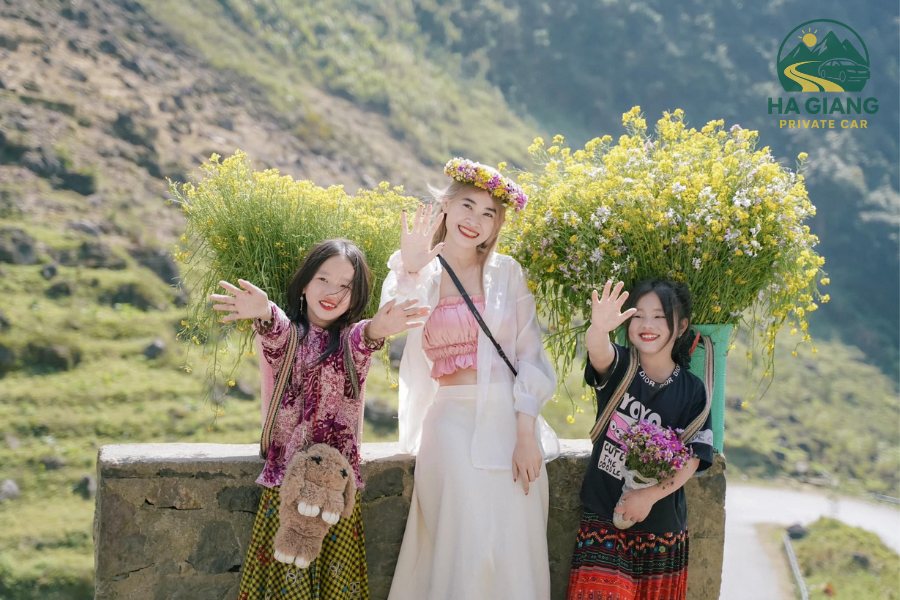
Ha Giang has emerged as a prominent destination on the Vietnamese tourism map in recent years. This region boasts breathtaking natural landscapes, featuring towering rocky mountains, tranquil valleys, and deep rivers. Additionally, Ha Giang is home to various ethnic minority communities, including the Mong, Tay, Dao, Nung, and Giay, which contribute significantly to its rich cultural heritage.
For anyone planning to visit northern Vietnam, Ha Giang should be included in your travel itinerary. It’s essential to research this area to develop a well-planned travel itinerary. One key aspect to consider is the weather and the best time to explore the beauty of Ha Giang. Tourists can refer to the article “Ha Giang Weather & Seasons Guide” by Ha Giang Private Car for detailed information on each season, helping you make an informed travel plan.
Where Is Ha Giang In Vietnam?
Ha Giang is the northernmost point of Vietnam, sharing a border with Yunnan and the Guangxi Zhuang Autonomous Region of China. Situated at an altitude of 800 to 1,200 meters above sea level, Ha Giang is one of the most adventurous destinations in the country. Its unique location offers many challenging mountain passes and breathtaking winding roads.
Additionally, Ha Giang tourism provides visitors with fascinating and unforgettable experiences, allowing them to step back in time to a simpler, more modest way of life. The area is also highly attractive due to its majestic yet poetic natural scenery, with small villages nestled peacefully at the foot of the mountains. Moreover, visitors can immerse themselves in the culture and cuisine of the local ethnic communities.

How To Get To Ha Giang From Hanoi?
The journey from Hanoi to Ha Giang covers a distance of approximately 294 km (~183 miles). Travelers opting for a direct route between these two locations can expect to spend between 5.5 to 6 hours on the road using CT05, which connects to QL2. However, this time frame is not exact and can extend by 1 to 2 hours depending on various factors such as the type of vehicle, traffic conditions, weather, and stops along the way.
Moreover, the Hanoi-Ha Giang route has become increasingly popular among tourists, resulting in a variety of transportation options. Tourists can choose from passenger vans, tourist buses, motorbikes, or private cars. It is essential to note that road travel is the only viable means of transportation, as Ha Giang’s rugged terrain does not support the development of airports or train stations.
Plus, selecting the right mode of transport to match your needs and budget will enhance your trip to Ha Giang. You can review our in-depth analysis below to help you decide on the best kind of car:
By Motorbike
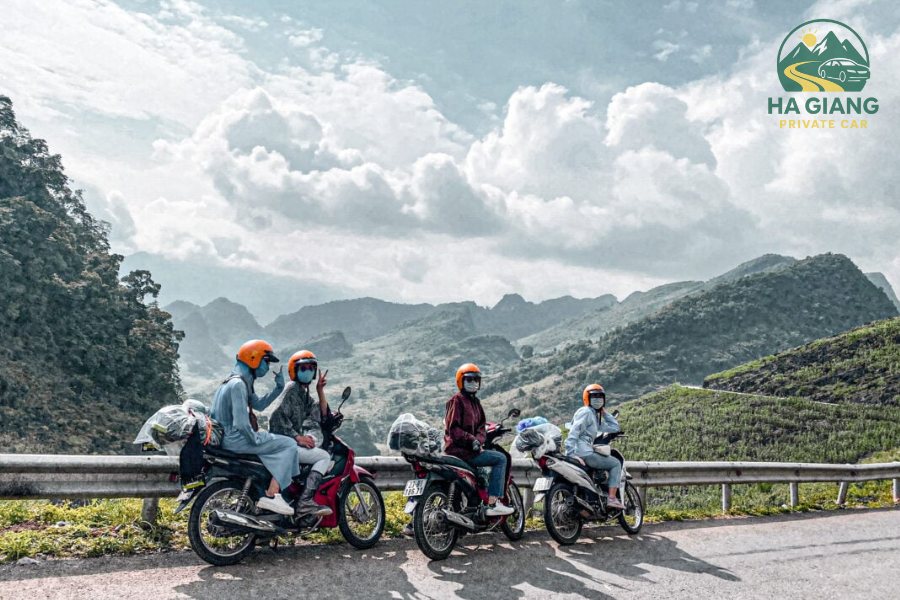
Motorbikes are a popular choice among backpackers. They offer the freedom to set your own schedule and provide numerous opportunities to explore the beautiful landscapes along the way. Additionally, renting a motorbike from Hanoi to Ha Giang is often much more affordable than other transportation options, making it ideal for travelers on a budget.
However, there are some limitations to consider when traveling by motorbike. The journey can take up to 8 hours or more one way, which can lead to fatigue. Furthermore, tourists who are not confident in their driving skills or unfamiliar with the traffic conditions in Vietnam may face dangers on the road. For these reasons, we do not recommend motorbike travel for first-time visitors to Vietnam.
By Bus/Coach
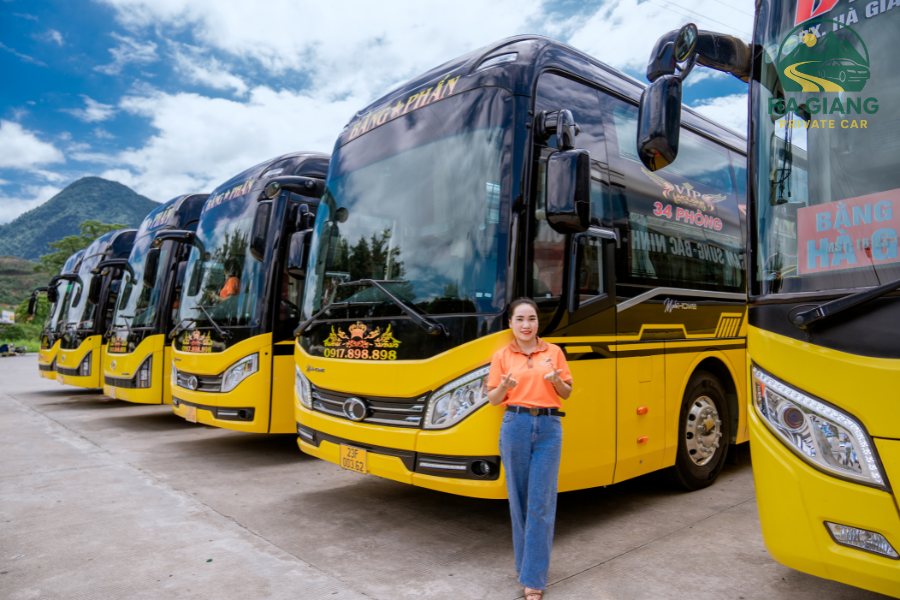
Traveling to Ha Giang from Hanoi by sleeper bus or tourist bus is quite popular. These options are relatively inexpensive and offer frequent departures, allowing visitors to choose flexible travel times. Moreover, visitors have the chance to interact with friendly locals and experience the culture firsthand.
However, it’s important for tourists to be aware that these buses are public transport, which can lead to crowding and concerns about security. Additionally, both types of buses make stops to pick up and drop off passengers along the route, which can extend the overall travel time. Tourists prone to motion sickness may also find the journey more exhausting.
By Private Car
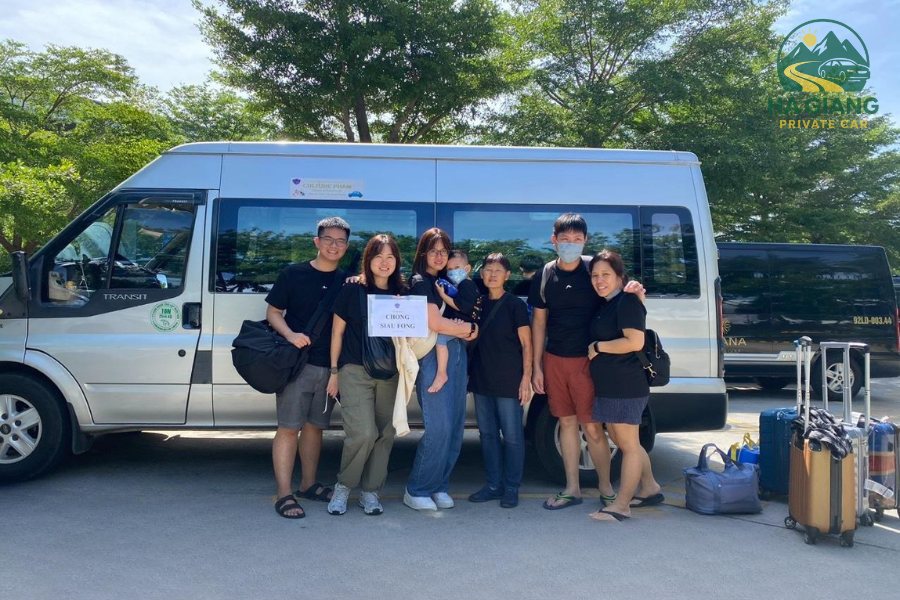
Hanoi to Ha Giang by private car is an excellent option for those seeking privacy, comfort, and flexibility. Renting a private car ensures a safe journey with an experienced and knowledgeable local driver. Additionally, travelers will enjoy complete privacy, as they will not have to share the vehicle with other passengers. Plus, the travel schedule is also flexible, allowing for stops as needed for rest and meals.
While private cars do have some limitations, they are minimal. The main drawback is the higher cost. However, the many benefits offered by private cars make them worth the price. For groups of 5 to 10 people, the cost can be shared, resulting in substantial savings.
Overall, renting a private car is the best choice for the journey from Hanoi/Hanoi Airport to Ha Giang. Those interested in experiencing professional service can consider the “Hanoi/Hanoi Airport to Ha Giang by Private Car” service.
Ha Giang’s Weather Climate Overview
Ha Giang, located in northern Vietnam, experiences distinct weather patterns with four seasons: Spring, Summer, Autumn, and Winter. The temperature in Ha Giang is generally colder than in the midlands and lowlands, especially during winter. Weather conditions also vary by month and altitude; for instance, the Dong Van – Meo Vac – Quan Ba area tends to have lower temperatures compared to Yen Minh.
The climate in Ha Giang is influenced by both tropical monsoon and tropical highland conditions. The average annual temperature ranges from 21.6°C to 23.9°C. In winter, temperatures can drop as low as -2°C, while summer temperatures can reach up to 40°C. Additionally, the temperature difference between day and night can vary from 6°C to 7°C.
Ha Giang Weather By Month
Tourists planning to visit Ha Giang should familiarize themselves with the climate for the time of their trip to ensure a memorable experience. Keep in mind that the weather here varies depending on the season and altitude, with each season having its own special beauty, particularly:
January – March: Blooming Spring Flowers
Typical Climate: Cool mornings and warm afternoons.
Advantages:
- Temperatures range from 18–25°C, creating a pleasant climate.
- The roads are dry, well-maintained, and easy to ride on.
- Clear skies provide ideal conditions for sightseeing and visiting famous tourist attractions in Ha Giang.
- The blooming flowers create vibrant and captivating scenes with various colors and shapes.
Disadvantages:
- It can still be cold in the early mornings and at night.
- Accommodations can fill up quickly, making advance bookings essential.
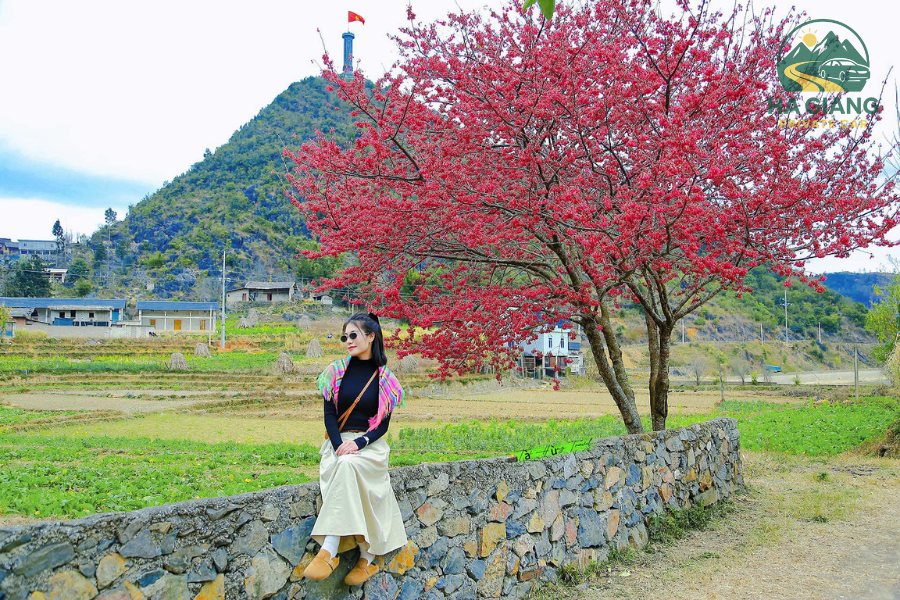
Visiting Ha Giang during this time is ideal due to the favorable climate and lush landscapes. Springtime allows visitors to appreciate stunning flowers such as peach blossoms, plum blossoms, and a variety of wildflowers. Additionally, this season is perfect for long treks and exploring local markets. Key tourist attractions to visit include the Dong Van Stone Plateau, the Lung Cu Flagpole, and Ma Pi Leng Pass.
During this period, Ha Giang also hosts several unique traditional festivals, including:
- Long Tong Festival (January 6 – 15 in the lunar calendar): Celebrated by the Tay ethnic group, this festival is held to pray for a bountiful harvest and a prosperous new year. It features performances, folk songs, and various exciting folk games, such as tug of war, stick pushing, and con throwing.
- Gau Tao Festival (January 1 – 15 in the lunar calendar): Another traditional festival of the Tay ethnic group, it includes thrilling activities such as horse racing, crossbow shooting, flute dancing, bird fighting, and cock fighting.
April – June: Ha Giang Water Pouring Season
Typical Climate: The weather is sunny from April to May, with the rainy season starting in June.
Advantages:
- During this time, tourism in Ha Giang is less crowded, providing a comfortable and peaceful atmosphere.
- The terraced fields are visually stunning during the pouring season.
Disadvantages:
- The weather can be unpredictable, with the possibility of heavy rain in late June.
- The roads may become slippery and muddy, posing safety risks.
- The hot, dry months are extremely warm, while the rainy months can feel gloomy, making them less suitable for outdoor activities.
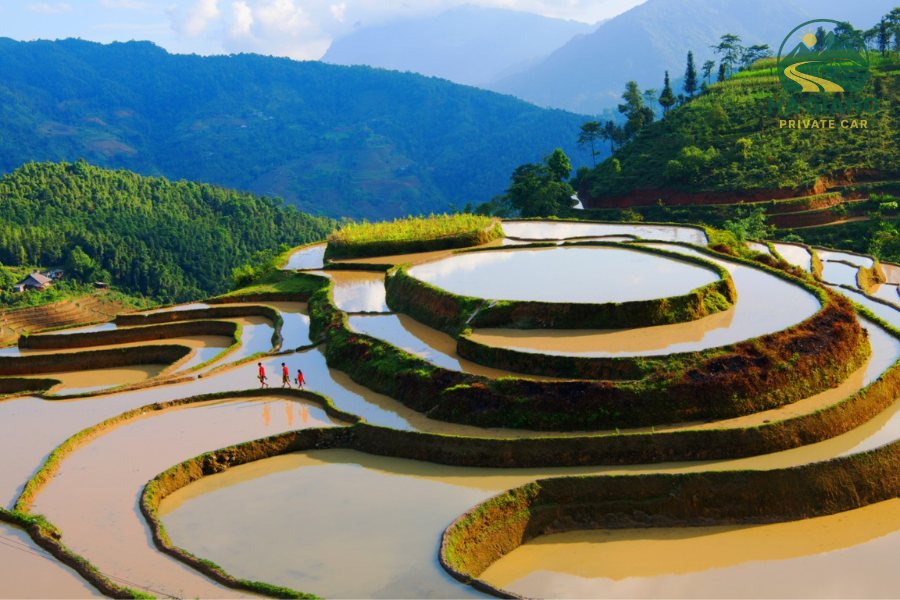
From April to June, Ha Giang has an average temperature of approximately 20°C, making it an ideal time to explore the unique local culture and cuisine. Visitors who come on the 27th of the 3rd lunar month can experience the vibrant atmosphere of the Khau Vai Love Market Festival. This festival provides an opportunity to try on traditional costumes, learn local dances, and engage in trading activities.
Additionally, this period coincides with the pouring season in Ha Giang, transforming the terraced fields into reflective surfaces that mirror the sky. Local residents are busy preparing for the new crop, and visitors can learn about local agricultural practices by joining farmers as they plant rice on the terraces.
July – September: Autumn – Ha Giang Golden Season
Typical Climate: Blue skies and warm sunshine.
Advantages:
- The weather is dry and clear, making it an ideal time to visit and explore Ha Giang.
- Beautiful sunsets can be seen fading behind the mountains.
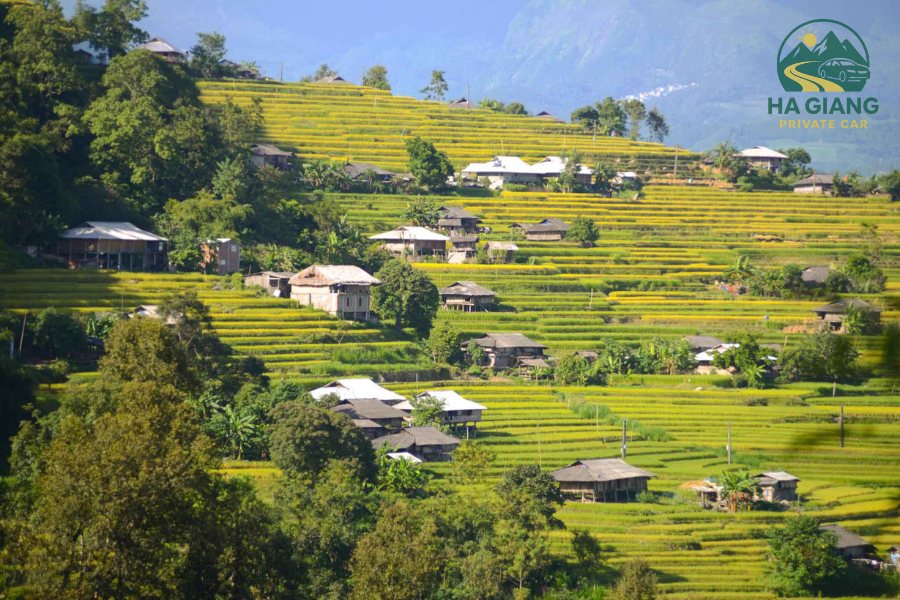
- During harvest season, the terraced fields on the mountainside turn a golden yellow, creating a spectacular scene.
Disadvantages:
- It is peak tourist season, so everywhere can be crowded and bustling.
- Accommodation may be difficult to find if not booked in advance.
- July tends to be rainy, which can make sightseeing challenging due to slippery roads.
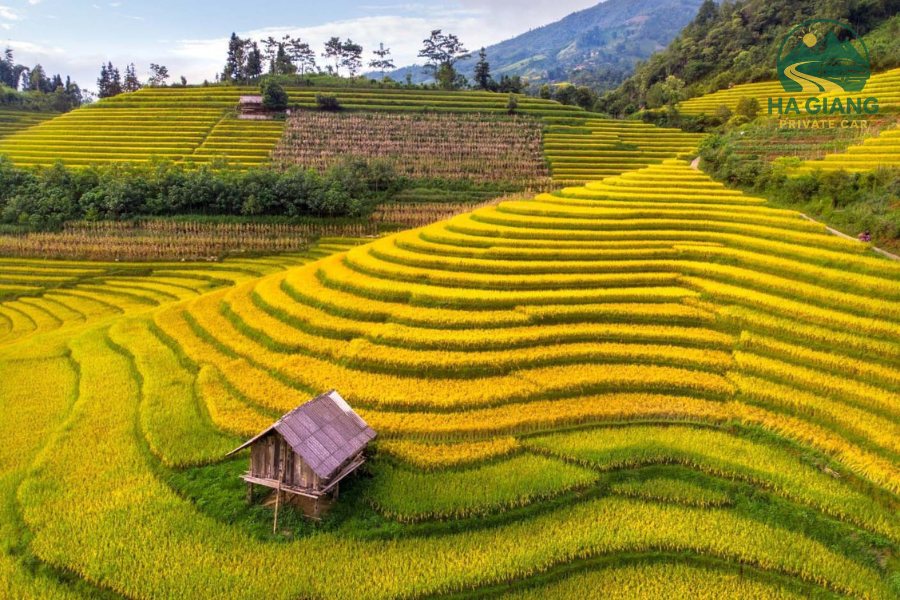
Autumn is the best time to travel to Ha Giang, as the weather is cool, dry, and refreshing. The average temperature ranges from 10°C to 25°C, making it suitable for sightseeing and exploring highlights such as:
-
- The Dong Van Stone Plateau
- Motorbiking or trekking through the Ma Pi Leng Pass
- Visiting local markets
- Mountain climbing and walking around the Lung Cu Flagpole, Thon Tha Valley, and Nam Dam Village
- Enjoying highland cuisine
Additionally, visitors should be aware that July is still rainy, which limits visibility and makes travel more difficult. Therefore, it is recommended to visit in August or September to fully appreciate the beauty of the terraced fields and the surrounding natural scenery.
October – December: Buckwheat Flower Paradise
Typical Climate: Cold and freezing weather, especially in the early morning and late afternoon.
Advantages:
- The beauty of the mountains and forests appears shimmering and hazy under the mist.
- Visitors can enjoy the warmth of a fire and taste local rice wine.
- It offers a peaceful and quiet space, perfect for those seeking to relax and rejuvenate.
- The buckwheat flower season is in full bloom.
Disadvantages:
- The weather can be extremely cold, with temperatures possibly dropping below 5°C.
- The landscape may seem desolate and can be obscured by thick fog.
- Slippery roads can pose a danger to travellers.
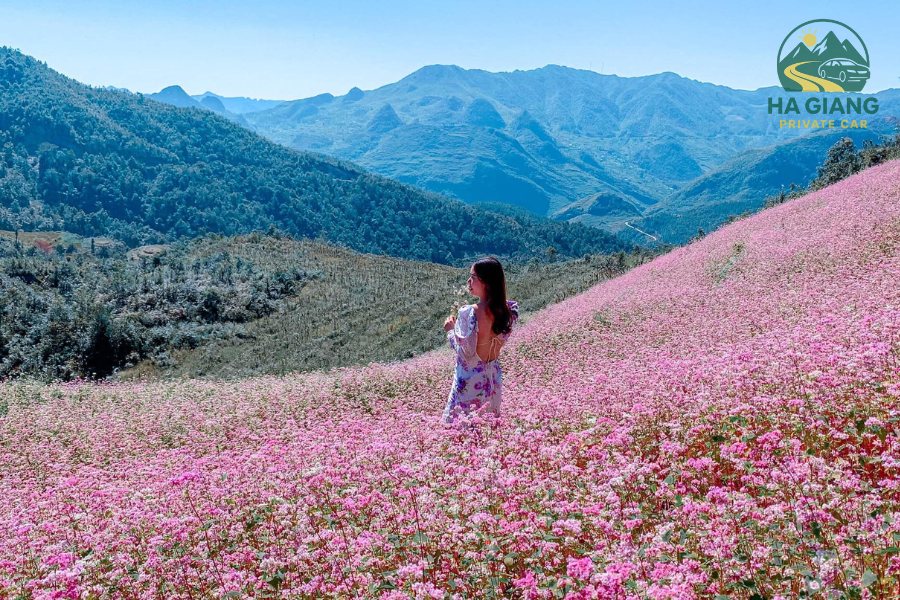
Winter in Ha Giang brings harsh weather, with temperatures in some high mountain areas dropping to 0°C. However, the natural landscape reveals a unique and captivating beauty as it prepares for the vibrant spring.
Additionally, this season marks the blooming of buckwheat flowers across vast fields. The Buckwheat Flower Festival takes place from October to November, offering a remarkably unique experience. Moreover, visitors can immerse themselves in the rich cultural festivals of the local ethnic communities, including:
- Quan Ba Cultural Festival
- Lo Lo Ethnic Festival in Meo Vac
- Local Food Festival
- Traditional musical instrument performances
Top Things To Do At Ha Giang
Ha Giang tourism offers visitors a wealth of interesting and unforgettable experiences. When you visit, you’ll not only be able to admire the stunning natural scenery but also explore the rich culture and meet the friendly, hospitable local people. Below are some activities that tourists should consider to ensure they have the most enriching travel experiences in Ha Giang.
Discover the Ha Giang Loop
One of the most thrilling experiences for any tourist visiting Ha Giang is exploring the Ha Giang Loop. This adventurous journey typically lasts from 3 to 5 days and takes you through stunning mountain passes across Ha Giang. Along the route, travelers can admire the breathtaking scenery, featuring high cliffs and deep valleys on both sides of the road.
Additionally, this journey allows you to traverse high mountain passes and interact with ethnic minority communities, each with its own diverse and unique cultures. Further, visitors also have the opportunity to explore various destinations and capture photos to preserve memories of the places they have visited.
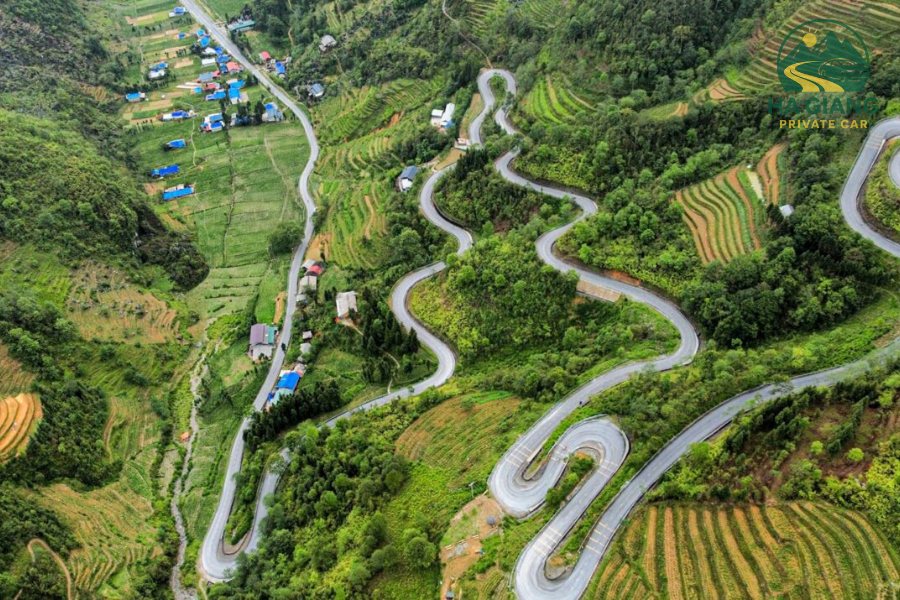
Explore the Three Most Scenic Passes in Ha Giang: Quan Ba – Tham Ma – Ma Pi Leng
The most thrilling travel experience in Ha Giang is exploring its breathtaking mountain passes. For those short on time, I recommend focusing on three prominent routes: Quan Ba Pass, Tham Ma Pass, and Ma Pi Leng Pass.
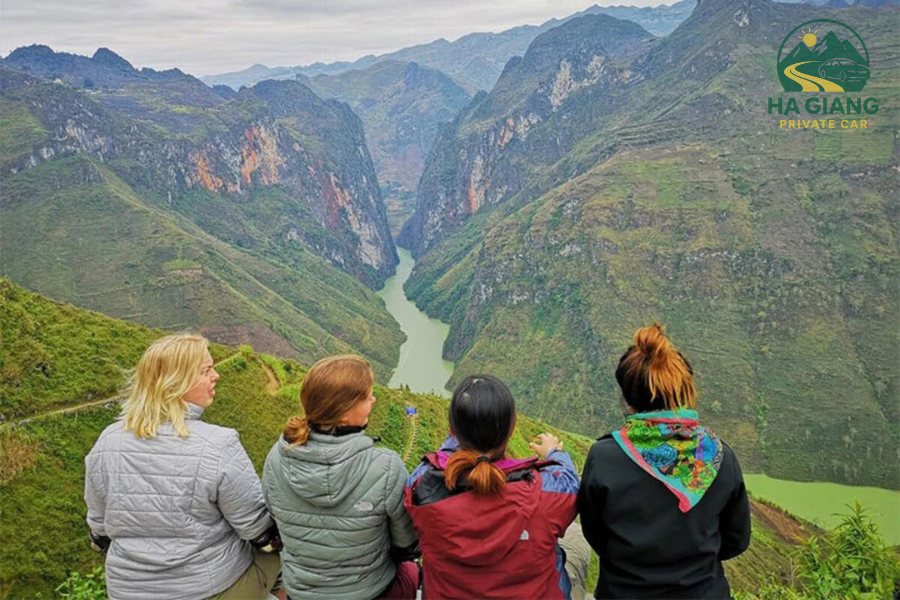
At each of these passes, visitors can enjoy unique and stunning landscapes. First, stop at Quan Ba Heaven Gate, where you can admire the iconic Twin Mountains rising majestically above the terraced rice fields. Next, as you travel along the famous S-shaped road at Tham Ma Pass, take in the beautiful views of Sung La Valley. Finally, Ma Pi Leng Pass offers a dramatic and awe-inspiring landscape, with steep cliffs towering beside you.

Join in Ha Giang Market Shopping Activities
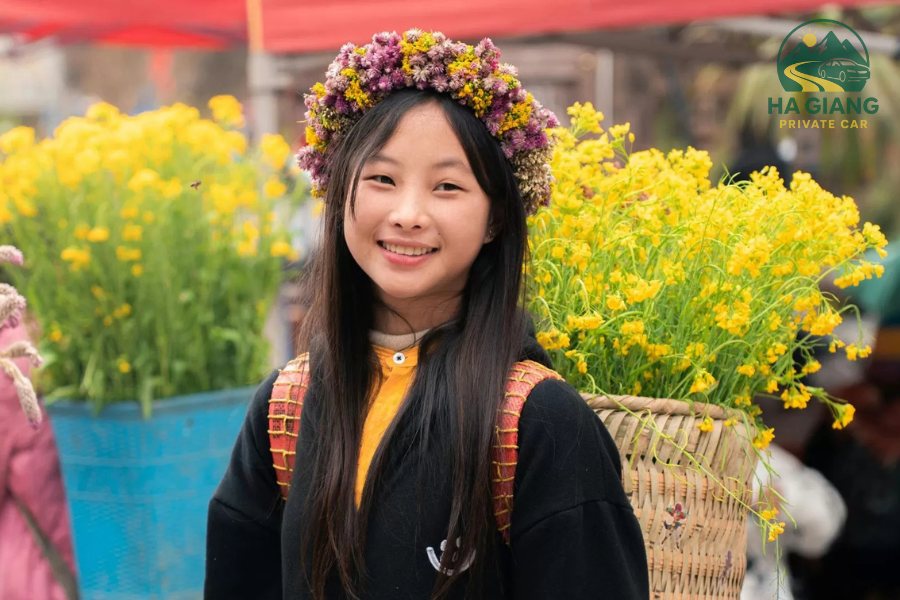
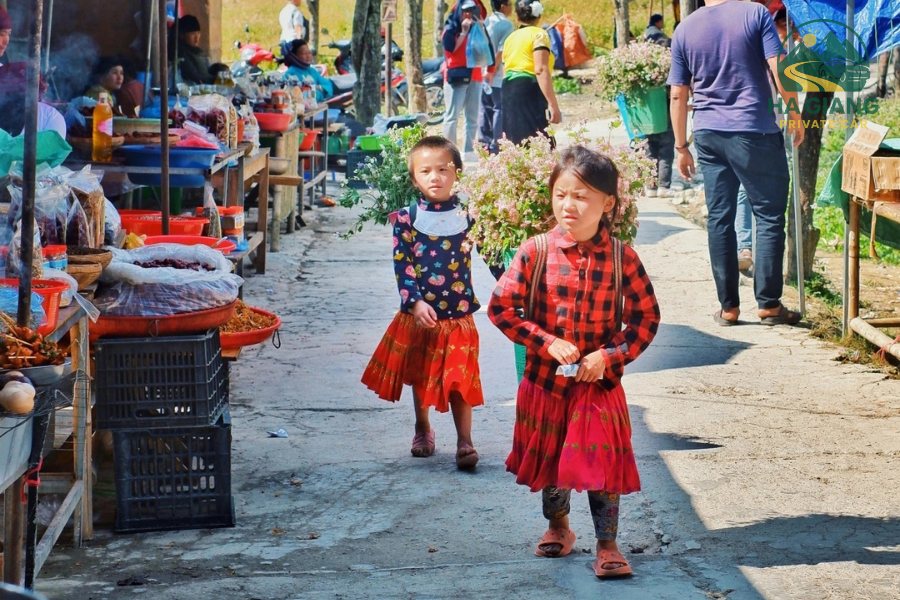
One experience that brings tourists closer to the local culture is visiting the markets in Ha Giang. These markets feature a diverse array of handicrafts from various ethnic groups, along with livestock. Through these markets, visitors can admire the colorful and unique traditional costumes of the ethnic communities in the highlands of Vietnam.
Additionally, tourists have the opportunity to interact with the friendly and hospitable locals, which provides greater insight into the unique culture of buying and selling goods. Also, immersing oneself in this vibrant atmosphere can lead to the purchase of handicrafts as souvenirs from your trip to Ha Giang.
Visit Lung Cu Flagpole – Vietnam’s Northernmost Point
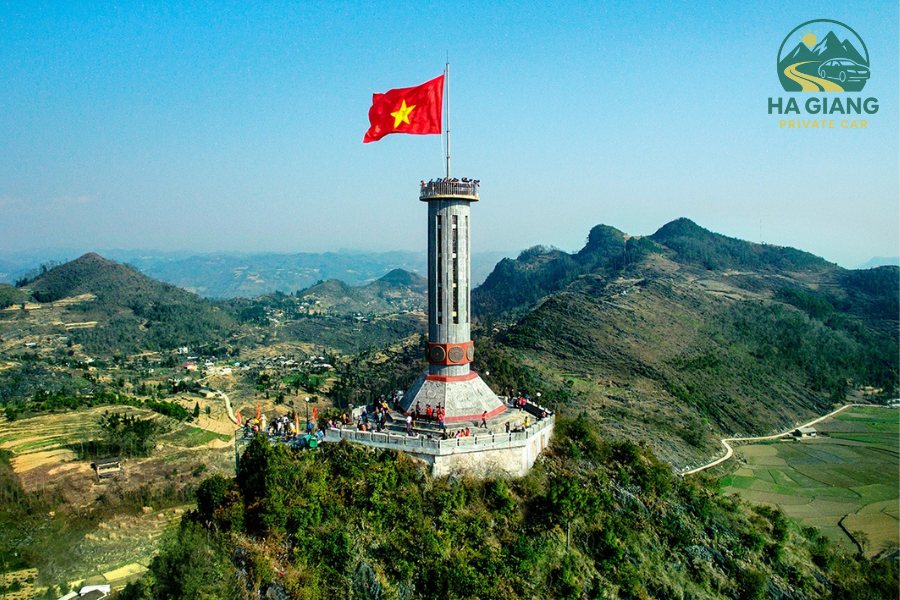
The Lung Cu Flagpole is a symbol of Ha Giang and a must-see tourist attraction. Located at Vietnam’s northernmost point, this flagpole attracts both domestic and international travelers eager to conquer it. After climbing over 200 steps, visitors are rewarded with a stunning and poetic natural landscape from a unique vantage point.
At the foot of the Lung Cu Flagpole, two ancient villages featuring traditional rammed-earth houses can be found, namely Lo Lo Chai and Then Pa. Exploring these villages allows tourists to experience a rustic and peaceful rural lifestyle. Moreover, visitors can connect with the villagers and learn about their cultural practices.
Practical Travel Tips For Your Journey To Ha Giang
Regardless of where you travel, planning your trip is crucial. This will help you choose the right time to visit and prepare the necessary items to make your journey more enjoyable. With this in mind, we have compiled some important travel tips for your trip to Ha Giang:

Personal Equipment:
- Identification Documents: Please bring important travel documents, such as your passport, to facilitate check-in at hotels in Ha Giang.
- Finance: In some remote areas of Ha Giang, ATMs are limited, and online payments via QR codes are not widely accepted. Therefore, it’s advisable to carry cash for your expenses and shopping.
- Medicines: Some travelers may experience difficulties adjusting to the air, food, or water in a new place. It’s wise to pack basic medications, such as fever reducers, stomach remedies, and allergy medications.
- Personal Items: Additionally, consider bringing sunscreen, sunglasses, a woollen hat, warm and comfortable clothing, and non-slip shoes to ensure you can explore Ha Giang to the fullest.
Plan Your Trip:
- Best Times to Visit: To truly appreciate the beauty of Ha Giang, it’s recommended to visit during two specific periods: Spring (February to March) and Autumn (October to December).
- Places to Visit: Tourists should explore some of the remarkable attractions in Ha Giang, including Ma Pi Leng Pass, Lung Cu Flagpole, Hoang Su Phi Terraced Fields, Dong Van Ancient Town, and the Nho Que River.
- Transportation: Selecting the right mode of transportation can significantly enhance your travel experience. Consider your group size and budget when making your decision.
- Accommodation: It’s advisable to book your accommodation in advance, especially during peak seasons. You generally have two options: hotels and homestays.
Additional Notes:
- Safety: Due to Ha Giang’s rugged terrain, it’s crucial to explore with caution, particularly when navigating winding mountain passes, to ensure the safety of yourself and others.
- Health: Prepare yourself for hiking and navigating complex terrains, as it can be physically demanding.
- Local Culture: Familiarize yourself with the local culture, especially the various ethnic groups in Ha Giang, to ensure a safe, meaningful, and respectful travel experience.
After exploring and travelling in Ha Giang, visitors can consider some reputable private car services, such as:
- Ha Giang To Pu Luong By Private Car – 165 USD/sedan
- Ha Giang To Ta Xua Private Car – 172 USD/sedan
- Private Car From Ha Giang To Ninh Binh – 191 USD/sedan
- Transfer From Ha Giang To Halong Bay By Car – 187 USD/sedan
Conclusion
Ha Giang is an ideal destination for tourists seeking adventure and unique experiences. Those planning to explore northern Vietnam should definitely include this location in their travel itinerary. To ensure an enjoyable and memorable trip, it’s important to be aware of the weather conditions and the best times to visit.
All the necessary information you need to plan a well-organized trip can be found in the article “Ha Giang Weather & Seasons Guide” by Ha Giang Private Car. We hope this valuable information helps you have a wonderful experience in this beautiful region. Thank you for taking the time to read our article!